Cape Point Day Trip: The Full Peninsula Loop
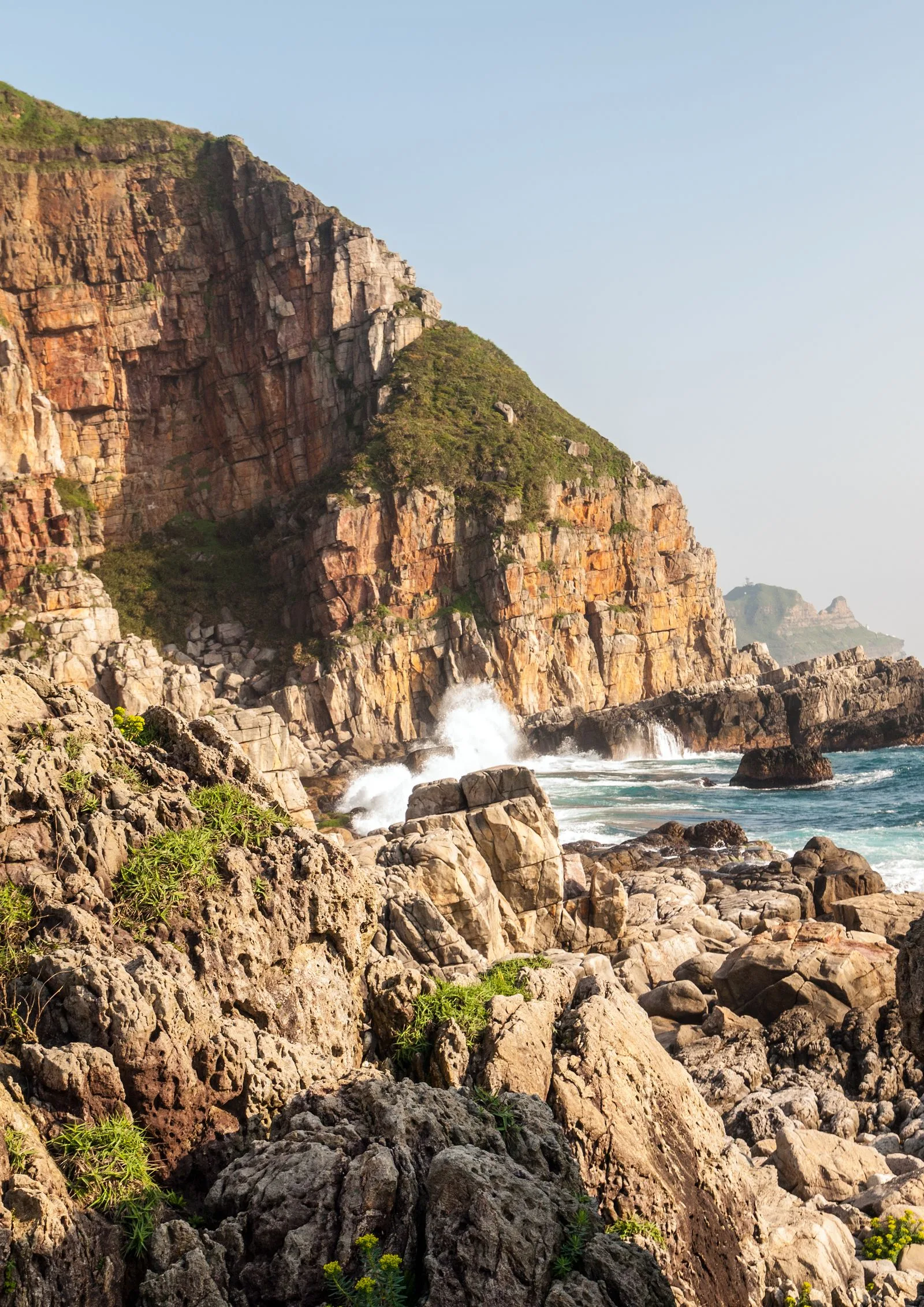
Drive the Cape Peninsula loop: down the Atlantic side via Chapman's Peak to Cape Point and the Cape of Good Hope, then back up the False Bay side past the Boulders penguins. Give it a full day and start early.
The Cape Peninsula loop is the classic Cape Town day out, and rightly so — in one circuit you get one of the world's great coastal drives, a wild nature reserve at the tip of the peninsula, and a colony of African penguins. It's a big day, though. Leave by 8:30am, pack the whole route in, and you'll be back for a Camps Bay sunset.
The route, in order
Do the loop clockwise: head down the Atlantic Seaboard through Hout Bay, over Chapman's Peak Drive, and on to the Cape of Good Hope section of Table Mountain National Park. Come back up the warmer False Bay side through Simon's Town.
- Drive Chapman's Peak — a toll road carved into the cliffs, arguably the most spectacular stretch of the loop.
- Enter the Cape of Good Hope reserve; take the funicular or walk up to the old Cape Point lighthouse.
- Photograph the 'Cape of Good Hope' sign at the south-western tip of the peninsula.
- Loop back via Simon's Town and stop at the Boulders Beach penguins.
- Watch for baboons in the reserve — keep car windows up and never feed them.
Self-drive or tour?
Self-driving gives you freedom and is easy on Cape Town's good roads — see our getting around Cape Town guide. If you'd rather not drive, a full-day peninsula tour covers the same route with a guide.
Timing and tickets
Chapman's Peak Drive
The single most spectacular stretch of the loop is Chapman's Peak Drive — 'Chappies' to locals — a nine-kilometre toll road blasted and carved into the near-vertical cliffs between Hout Bay and Noordhoek. There are 114 curves and a string of pull-offs where you can stop for photos over the Atlantic. The toll is modest (around R58 per car; more for the full-day multi-pass) and the road occasionally closes in high wind, rockfall risk or heavy rain, so check before you commit — there's a longer inland detour over Ou Kaapse Weg if it's shut.
Inside the Cape of Good Hope reserve
The southern tip of the peninsula is a section of Table Mountain National Park, and it charges a conservation fee at the gate — roughly R400 (about US$22) for an international adult, less for children and far less for SA residents with ID. Inside, the two headline stops are Cape Point, with its old lighthouse reached by a short steep walk or the Flying Dutchman funicular (around R100 return), and the Cape of Good Hope, the rocky south-western tip with the famous wooden sign everyone photographs. Give yourself time to walk down to Dias Beach or along the clifftops — the reserve is wilder and bigger than most people expect.
- Ride or walk up to the Cape Point lighthouse for the panoramic view where two oceans seem to meet.
- Queue for the Cape of Good Hope sign photo — go early, as tour buses swarm it by mid-morning.
- Walk the cliff path between the two points if you have the time and the legs.
- Keep an eye out for eland, ostrich, bontebok and the reserve's endemic fynbos.
Baboons and wildlife etiquette
The Cape Peninsula's chacma baboons are clever, bold and habituated to raiding cars for food. Keep your windows up and doors locked when parked, never leave food visible, and absolutely do not feed them — a fed baboon becomes a problem baboon and is often eventually destroyed. They can open unlocked car doors, so treat them with respect and distance. Ostriches wander near the shoreline, and if you're lucky you'll spot whales offshore in season from the higher viewpoints.
The best stops on the way back
Coming home up the warmer False Bay side is half the pleasure. In order, the stops worth making are: Simon's Town, a pretty naval town with Victorian shopfronts; Boulders Beach and its penguin colony (see our Boulders penguins guide); Kalk Bay, a bohemian harbour village of antique shops, cafés and a working fishing fleet where the fish and chips are a local institution; and Muizenberg, with its rainbow beach huts and beginner surf. You won't fit all of them in one day — pick two.
What to pack and budget
Budget roughly R400 reserve entry plus R58 toll plus fuel for a self-drive, so around R900–1,200 (US$50–65) for a car of two before food. The Point is one of the windiest places in the region, so pack a proper windproof layer whatever the city weather; bring sun protection, water and snacks, and comfortable shoes for the lighthouse climb. There's a restaurant and café at Cape Point if you'd rather not carry food, but it's busy and pricey — many people prefer to eat in Kalk Bay or Simon's Town instead.
Self-drive timing, or take a tour
Leave the city by around 8:30am, do the loop clockwise, and you'll be back for a Camps Bay sunset with stops for the penguins and one harbour village. Self-driving is easy on the Cape's good roads — see getting around Cape Town — but if you'd rather relax and let someone else navigate the baboons and the toll road, a full-day peninsula tour covers the whole route with a guide and usually includes the entry fees.
Two lighthouses, one great walk
Cape Point actually has two lighthouses. The original 1859 lighthouse — the one the funicular climbs to — stands high on the peak but was so often lost in cloud that ships kept running aground, so a second, lower lighthouse was built closer to the water and still operates today. The walk between the upper lighthouse and the viewpoint over the newer one is short but spectacular, with sheer drops to the sea on both sides. It's the definitive Cape Point photo, and worth the steep few minutes on foot even if you took the funicular up.
Where two oceans (almost) meet
You'll hear that Cape Point is where the Atlantic and Indian Oceans meet. Geographically the true meeting point is at Cape Agulhas, further east — the actual southernmost tip of Africa — but the peninsula is where the cold Benguela and warmer Agulhas currents visibly swirl together, and standing on the cliffs watching two different-coloured seas churn below is dramatic enough that nobody minds the technicality. It's a genuine end-of-the-continent feeling, and on a clear day the views run for miles.
Beaches and short walks in the reserve
Most day-trippers rush the lighthouse and leave, but the reserve rewards a wander. Dias Beach, reached by a long wooden staircase, is a stunning, near-empty white-sand cove framed by cliffs. There are marked walking trails across the fynbos-covered headland, tidal pools, and quiet picnic spots away from the crowds at the Point. If you've built in enough time, swapping twenty minutes of car park for a short cliff walk is what turns the visit from a photo stop into a highlight.
Timing the loop to beat the buses
The big coach tours tend to hit Cape Point late morning to midday, so the sign and the funicular are quietest if you arrive early or in the last couple of hours before the gates close in the late afternoon. Doing the loop clockwise (Atlantic side first) generally keeps you ahead of the crowds; doing it anti-clockwise lets you finish with the penguins. Either way, don't try to cram in every False Bay village on the way home — pick one or two and enjoy them properly.
Go early to beat the tour-bus crowds at the lighthouse, and bring layers — the wind at the Point is serious. This trip pairs naturally with other day trips from Cape Town if you're building an itinerary.