Table Mountain: The Complete Visitor's Guide
Ride the rotating cableway up (book online, go on a clear, wind-free morning) or hike Platteklip Gorge if you're fit. The mountain closes in high wind, so go on your first clear day — don't save it for later in the trip.
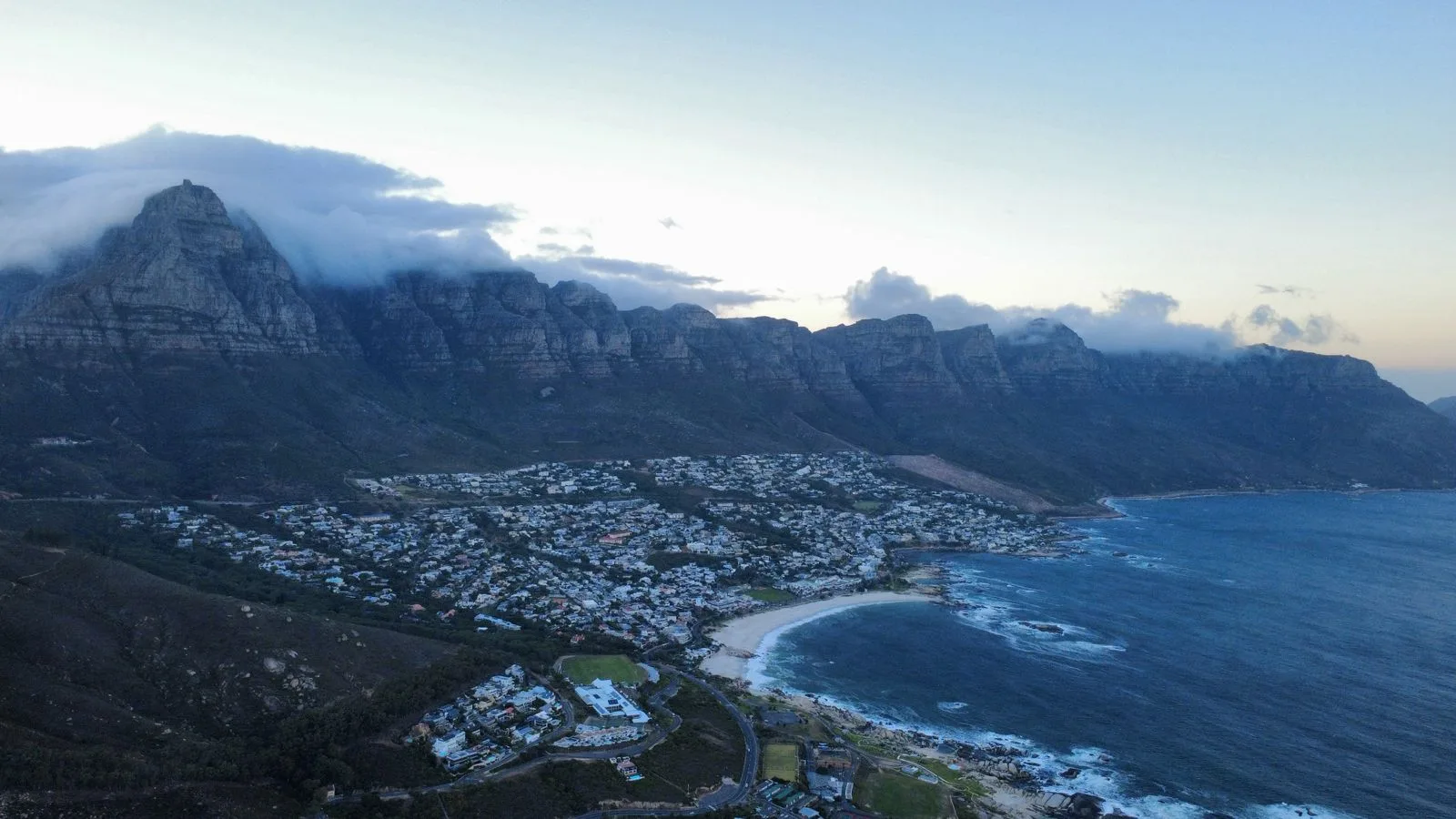
Table Mountain is the reason the Cape Town skyline is unmistakable, and getting to the top is the single best thing you can do in the city. The catch is the weather: the summit vanishes under the 'tablecloth' of cloud and the cableway shuts in strong wind. The golden rule is simple — the moment you get a clear, calm morning, drop your other plans and go up.
The one rule of Table Mountain: go up on your first clear, calm morning. Don't save it for later in the trip.
Cableway or hike?
The rotating cableway takes about five minutes and turns a full 360° as it climbs, so everyone gets the view. Buy tickets online to skip the queue, which can be brutal in summer. If you'd rather earn it, Platteklip Gorge is the direct hiking route — steep, relentless and roughly two to three hours up.
- Book cableway tickets online and go early — queues build fast by mid-morning in peak season.
- Hike up Platteklip Gorge and take the cableway down if your knees prefer it (buy a one-way ticket).
- Check the cableway website or webcam before leaving — high wind closes it with little notice.
- Wear layers: it's markedly colder and windier on top than at sea level.
Reading the weather
Cape Town's summer south-easter (the 'Cape Doctor') is the usual culprit for closures. Clear mornings are your best bet before the wind builds. If the tablecloth is pouring over the top, the summit will be a whiteout — save it for another day.
Make a day of it
What the cableway costs
Ticket prices shift with the season and are cheapest when booked online, but as a rough guide an adult return runs in the region of R400–450 (about US$22–25), with children roughly half that and under-fours free. A one-way ticket — handy if you plan to hike up and ride down, or vice versa — is a little over half the return price. There are early-bird and sunset specials at certain times of year, and South African residents get a discount with ID. The cableway generally runs from around 8:30am until early evening in summer and shorter hours in winter, weather permitting.
The main routes up, ranked by effort
- The cableway — five minutes, rotating 360° car, zero effort. The default for most visitors.
- Platteklip Gorge — the direct hiking route straight up the front face; steep, shadeless and relentless, but navigationally simple. Two to three hours up.
- Skeleton Gorge — the beautiful, forested route that starts inside Kirstenbosch Gardens and climbs the wetter eastern side; longer and more of a scramble near the top.
- India Venster — the scenic, exposed route beside the cableway, with chains and ladders in places. For confident hikers with a head for heights only.
- Lion's Head — not Table Mountain itself, but the neighbouring peak; a shorter, spiralling hike that's the city's favourite sunset and full-moon climb.
What to bring up
The summit is markedly colder and windier than sea level — it can be 10°C cooler with a stiff breeze even on a warm day. Pack a windproof layer, water, sunscreen and proper shoes if you're hiking (the rock gets slick when the cloud rolls in). There's a café and shop at the top station with viewpoints, so you don't need to carry food for a cableway visit, but hikers should bring their own water as there's none reliably on the trails.
Sunrise, midday or sunset?
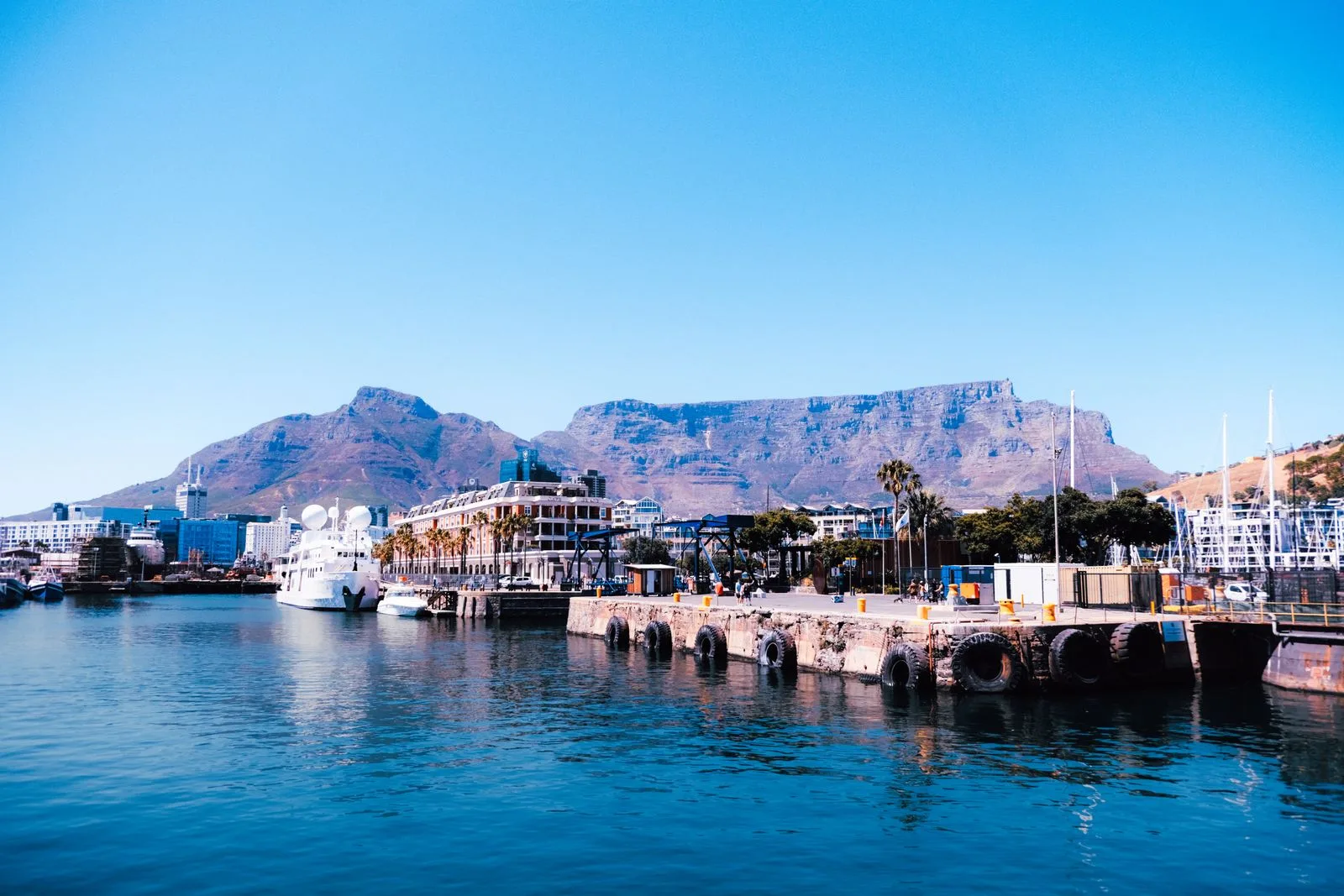
Midday gives you the longest, clearest views but the biggest queues and the harshest light for photos. Late afternoon into sunset is the most atmospheric — the city lights come on and the light turns gold — but check the last cable-down time so you're not stranded. Sunrise is the connoisseur's choice: cool, quiet and empty, though the cableway may not run that early, so it usually means hiking. Whatever you choose, go up on your first clear window rather than gambling on a better one later.
Staying safe up top
Weather is the real hazard here, not crime. The 'tablecloth' cloud can swallow the summit in minutes and turn a marked path into a whiteout, so turn back if it closes in and never hike a quiet route alone or at dusk. Stick to the busy, waymarked trails, tell someone your plan, and carry a charged phone. On the popular routes in good weather the mountain is safe and superbly rewarding — see is Cape Town safe for the wider picture.
How to book and beat the queue
Always buy cableway tickets online before you go — it locks in the lower price and lets you skip the ticket-office queue, which can stretch to an hour on a clear summer morning. You still queue for the car itself, so arrive at opening or in the last couple of hours of the day when the buses have gone. Guided sunrise and sunset hikes, which take the navigation off your hands, can be arranged in advance.
What's actually at the top
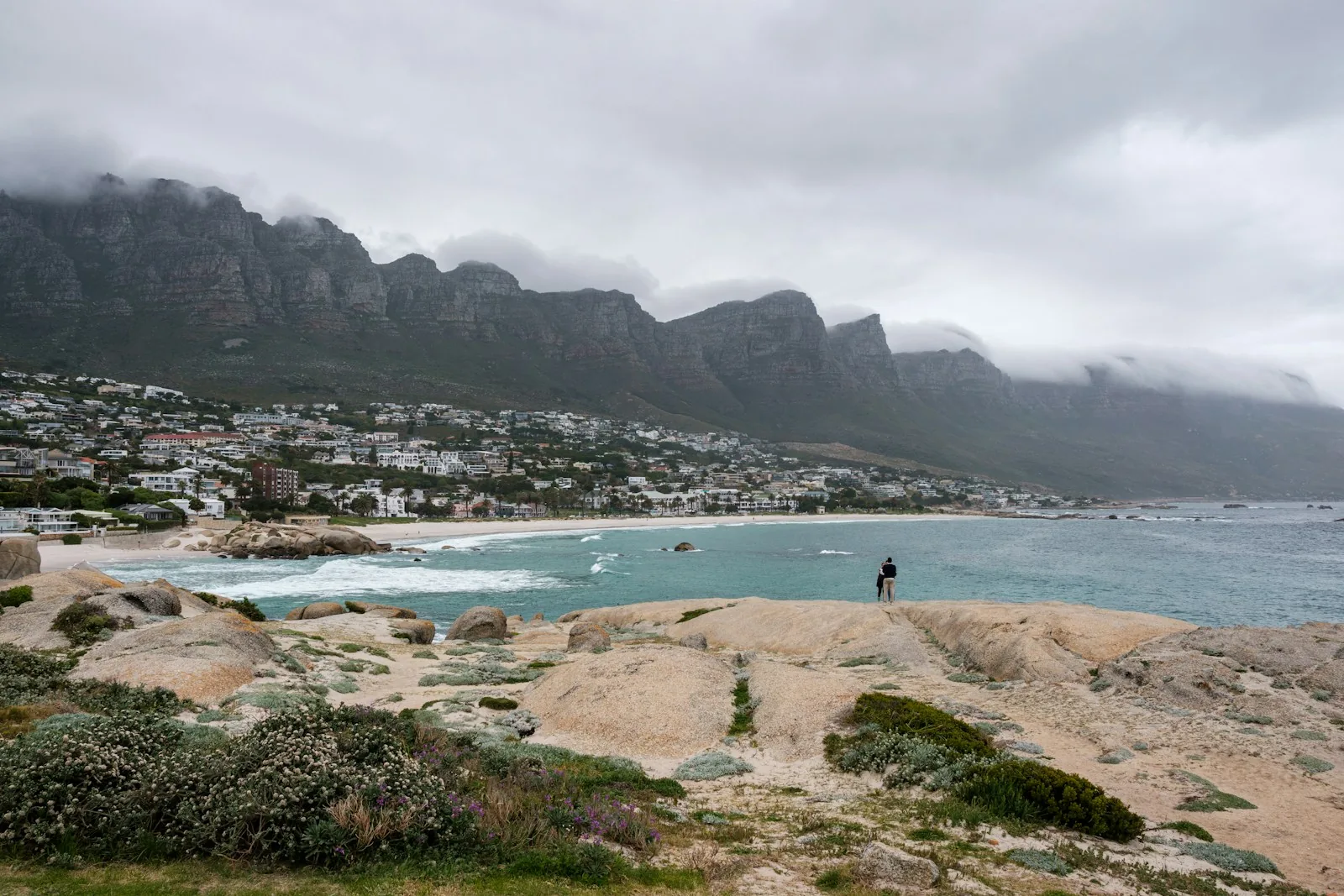
The upper cable station isn't just a viewpoint — there are two cafés (one with a licensed bar), a shop, free wifi, and several easy, well-signposted walking loops that fan out to different viewpoints over the city, Camps Bay and the Atlantic. The paths are largely flat and partly wheelchair-accessible, so you don't need to be a hiker to explore up there. Keep an eye out for dassies (rock hyraxes) — the plump, furry residents that sun themselves on the rocks and are, improbably, the elephant's closest living relative. Give the summit a good couple of hours rather than a quick photo and a ride back down.
The mountain's fynbos and wildlife
Table Mountain is a national park and a UNESCO World Heritage Site, and its plateau is carpeted in fynbos — the extraordinarily diverse, fine-leaved Cape vegetation found nowhere else on earth, including proteas, ericas and restios. The mountain alone hosts more plant species than the whole of the United Kingdom. Beyond the dassies you might spot sunbirds, the occasional tortoise, and, if you're very lucky, a rare grey caracal. Stick to the paths to protect the fragile plant life, and don't feed the dassies or the birds.
Reading the tablecloth
The famous 'tablecloth' — the cloud that pours over the summit and spills down the front face — forms when the moist south-easter is pushed up and over the mountain. It's beautiful from below but a whiteout on top, and it usually means the cableway will close. If you wake to a clear, still morning, that's your window; if the tablecloth is already forming or the flags at the lower station are snapping in the wind, save the mountain for another day. The cableway's live webcam and website are the definitive check before you leave.
More than the view: adventure on the mountain
For the adventurous, the top of Table Mountain is home to what's billed as one of the world's highest commercial abseils — a heart-in-mouth drop off the edge with the city far below, run by a licensed operator in good weather. Paragliding from Lion's Head and Signal Hill, and guided rock climbing on the buttresses, round out the mountain's adrenaline options. None of these are necessary to enjoy the summit, but they turn a cable-car visit into something more memorable if you've the nerve and a calm day.
The summit has easy walkways to several viewpoints; give yourself a couple of hours up there. Table Mountain also anchors plenty of first-timer itineraries — see our Cape Town 3-day itinerary for how to slot it in, and pair it with nearby Kirstenbosch Gardens on the same side of the mountain.