Kirstenbosch Botanical Gardens: A Visitor's Guide
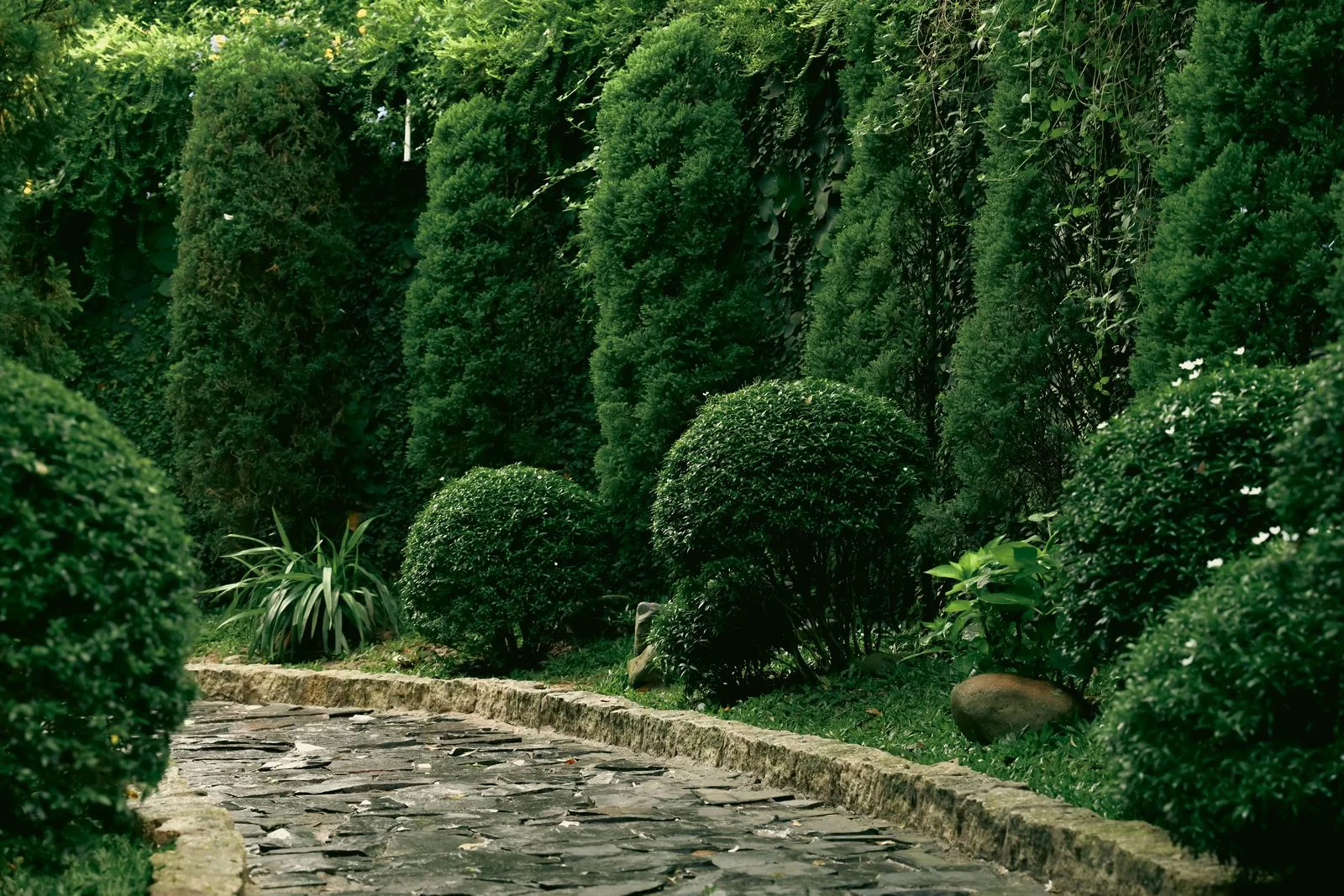
Kirstenbosch is one of the world's great botanical gardens, set on the eastern slopes of Table Mountain. Walk the Boomslang canopy walkway, bring a picnic, and in summer catch a Sunday sunset concert on the lawns.
On the wooded eastern flank of Table Mountain, Kirstenbosch is that rare botanical garden that would be worth visiting even without the plants — the setting alone, with the mountain rising straight out of the beds, is extraordinary. Add South Africa's staggering floral diversity and it becomes one of the most peaceful, beautiful half-days in the city.
What not to miss
The garden showcases the Cape's unique fynbos vegetation, including proteas, the national flower. The highlight for most visitors is the Boomslang — a curved steel-and-timber walkway that arcs through the tree canopy with views out over the garden and the Cape Flats beyond.
- Walk the Boomslang canopy walkway (the 'snake') for the best views in the garden.
- Follow the Braille Trail and the fragrance garden if you want a slower, sensory wander.
- See the proteas and fynbos in flower — spring (Aug–Oct) is spectacular.
- Pack a picnic; the lawns are made for it, and there's a good café on site.
The summer concerts
From late November to early April, Kirstenbosch hosts open-air Sunday-evening concerts on the main lawn. Locals arrive with picnics, blankets and wine and settle in as the light fades over the mountain — it's one of the loveliest things you can do in a Cape Town summer. Buy tickets ahead.
Getting there
The Boomslang canopy walkway
The garden's signature attraction is the Boomslang — 'tree snake' in Afrikaans — a 130-metre curved steel-and-timber walkway that arcs up through the arboretum canopy. It sways gently underfoot, climbs to about 12 metres, and opens out to sweeping views over the garden, the Cape Flats and back up to the mountain buttresses. It's free with garden entry, wheelchair- and buggy-accessible, and best walked in the softer light of early morning or late afternoon. Allow a slow half-hour to do it and the surrounding arboretum loop justice.
What else not to miss
- The Protea Garden — the Cape's fynbos royalty, including the king protea, the national flower; best in late winter and spring.
- The Fragrance Garden and Braille Trail — a slower, sensory wander through scented and textured planting.
- The Dell and Colonel Bird's Bath — a cool, ferny, spring-fed grotto, one of the garden's oldest corners.
- Camphor Avenue — a grand tunnel of camphor trees planted by Cecil Rhodes.
- The Useful Plants and medicinal beds — the plants behind Cape traditional remedies and foods.
The summer sunset concerts
From late November to early April, Kirstenbosch hosts open-air Sunday-evening concerts on the great sloping lawn, a beloved Cape Town summer ritual. Locals arrive hours early with picnic baskets, blankets, wine and cheese, stake out a spot, and settle in as the light fades over the mountain. The line-up spans local pop, jazz, folk and the occasional big name; tickets run in the region of R150–250 depending on the act and sell out for the popular ones. Bring a groundsheet and warm layer for when the sun drops, and buy online in advance.
Tickets, opening times and how long you need
Garden entry is modest — around R100 (about US$5.50) for an international adult, less for children, students and SA residents, and there are annual memberships if you'll return. The garden opens early (roughly 8am) and closes in the evening, later in summer to accommodate the concerts. Two to three hours is enough for a relaxed visit and the canopy walkway; make it a half-day if you're bringing a picnic, doing a guided walk, or staying on for a concert.

When to come: the flowering seasons
Kirstenbosch is rewarding year-round, but spring (roughly August to October) is spectacular, when the proteas, ericas and daisies are in full flower and the fynbos beds blaze with colour. Summer is lush and green and brings the concerts; autumn is calm and golden; winter is quiet and misty with the year's freshest, greenest growth after the rains. Mornings are the most peaceful whatever the season, before tour groups and picnic crowds arrive.
Hiking up the mountain from the garden
Kirstenbosch doubles as a trailhead for the wetter, greener eastern face of Table Mountain. Skeleton Gorge climbs steeply through indigenous forest from the top of the garden to the plateau and Maclear's Beacon — a serious half-day hike that can be linked with Nursery Ravine for a loop back down. It's beautiful but demanding and slippery in the damp, so go early, in a group, and only if you're fit; see our Table Mountain guide for the full route context.
Food, picnics and getting there
A little history
Kirstenbosch was established in 1913 on land bequeathed by Cecil Rhodes, making it the first botanical garden in the world dedicated to a country's own indigenous flora. It sits on the eastern slopes of Table Mountain within a UNESCO World Heritage Site, and part of its lower boundary is still marked by Van Riebeeck's Hedge, a wild almond hedge planted in the 1660s as a colonial frontier — one of the oldest living historical relics in the country. That sense of layered history, under the mountain and among the fynbos, is part of what makes the garden feel special rather than merely pretty.
Combining Kirstenbosch with the neighbourhood
The garden sits in leafy Newlands and Constantia, close to some of the Cape's best add-ons. The Constantia wine estates — Groot Constantia, Klein Constantia and neighbours — are minutes away for a tasting; the Newlands forest and the contour paths offer easy walks; and the whole area is a calm, green counterpoint to the coast. It's an easy half-day to pair a morning in the garden with a Constantia wine lunch, or with a Table Mountain visit on the same eastern side of the range.
Accessibility and visiting with children
Kirstenbosch is one of the more accessible attractions in Cape Town: much of the garden, including the Boomslang canopy walkway, is paved and negotiable by wheelchair and buggy, and there are golf-cart tours for those who can't walk far. It's excellent for children, with vast lawns to run on, the thrill of the swaying canopy walkway, streams and the sculpture trail. Bring a picnic (or order a hamper), some sun cover, and let the kids loose on the grass while the adults wander the beds.
Practical planning notes
- Go early for the calmest experience and the best morning light for photos.
- Wear comfortable shoes — the garden is large and the upper sections are sloped.
- Bring a warm layer for summer evening concerts; the mountain air cools fast after sunset.
- Buy garden and concert tickets online in advance during the busy summer months.
- Allow a full half-day if you're picnicking, doing the canopy walk and browsing the beds.
There's a good sit-down restaurant and a casual café on site, plus a garden shop, and picnics are positively encouraged on the lawns (you can even order a hamper). Kirstenbosch sits on the Constantia side of the mountain, a 20–30 minute drive or rideshare from the city — see getting around Cape Town. Some guided Cape Town tours that include the garden can be booked in advance.