Cape Town's Best Beaches, Ranked
For glamour and sunsets, Camps Bay and Clifton. For warmer, swimmable water, head to the False Bay side — Muizenberg for surf, Boulders for calm. The Atlantic side is colder but far more scenic.
Cape Town has two coastlines with two completely different personalities, and knowing which is which saves a lot of shivering. The Atlantic Seaboard is jaw-droppingly beautiful but genuinely cold; the False Bay side is warmer and better for swimming. Here's how the best beaches compare, so you can pick the right one for the day.
The Atlantic side — scenic and cold
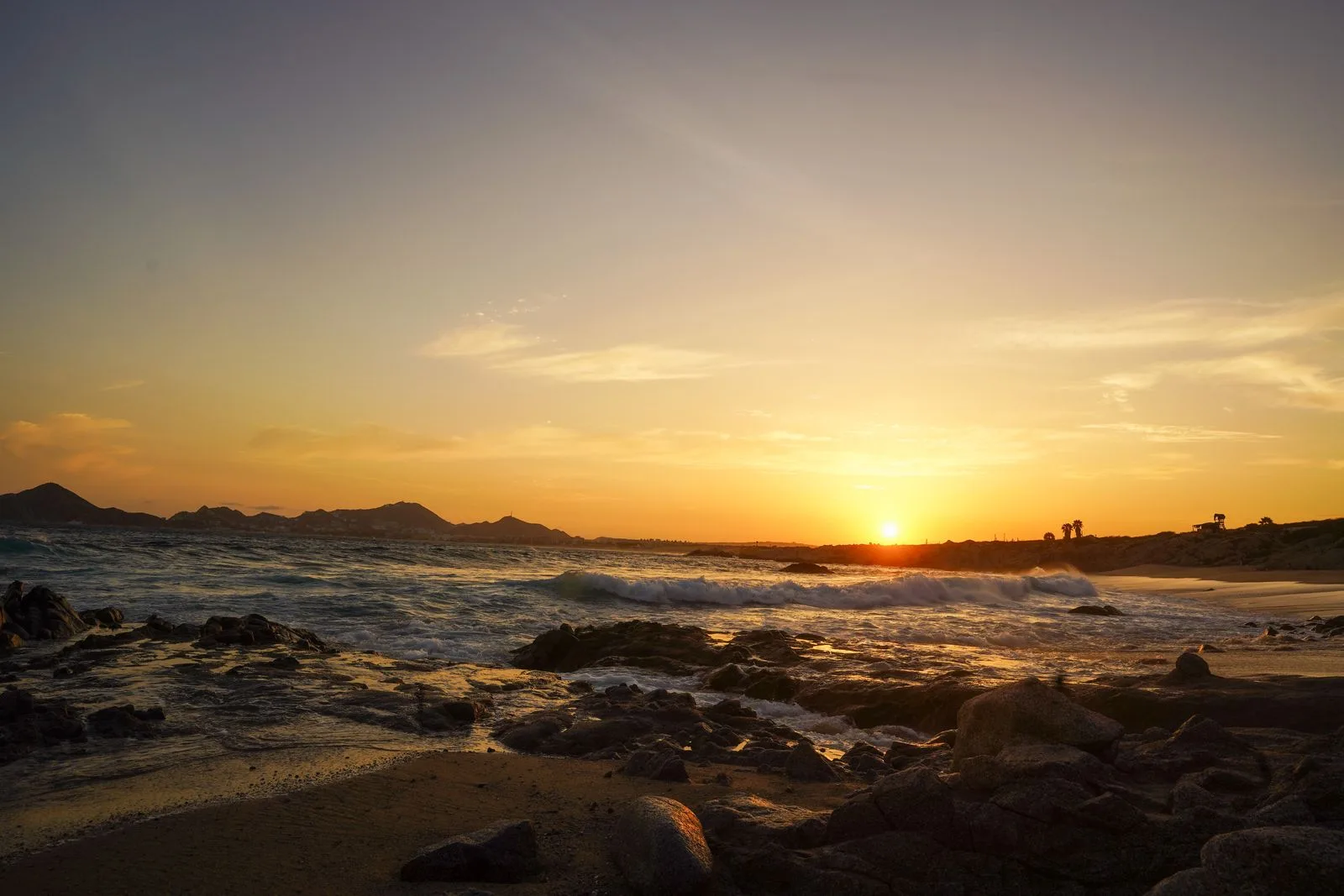
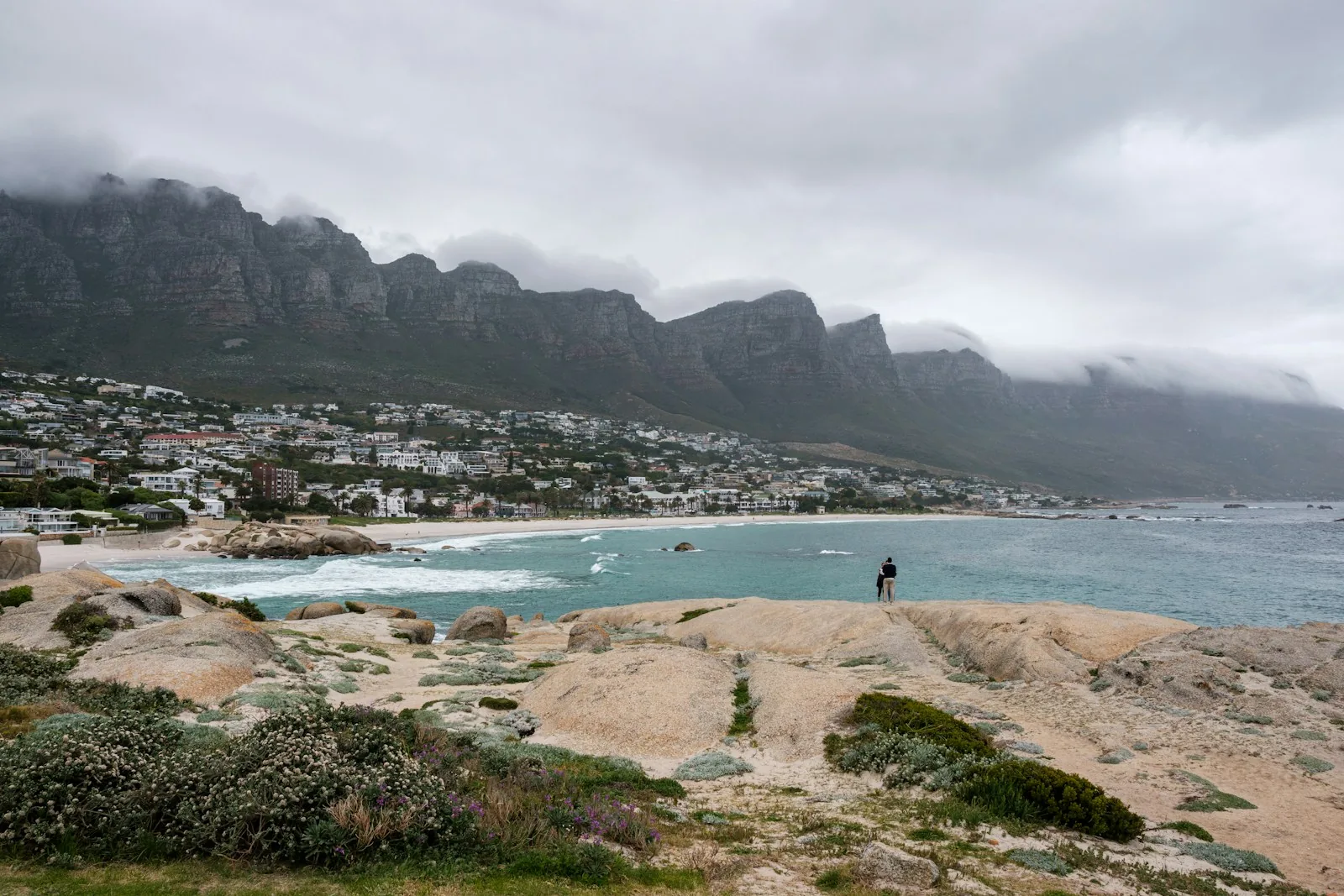
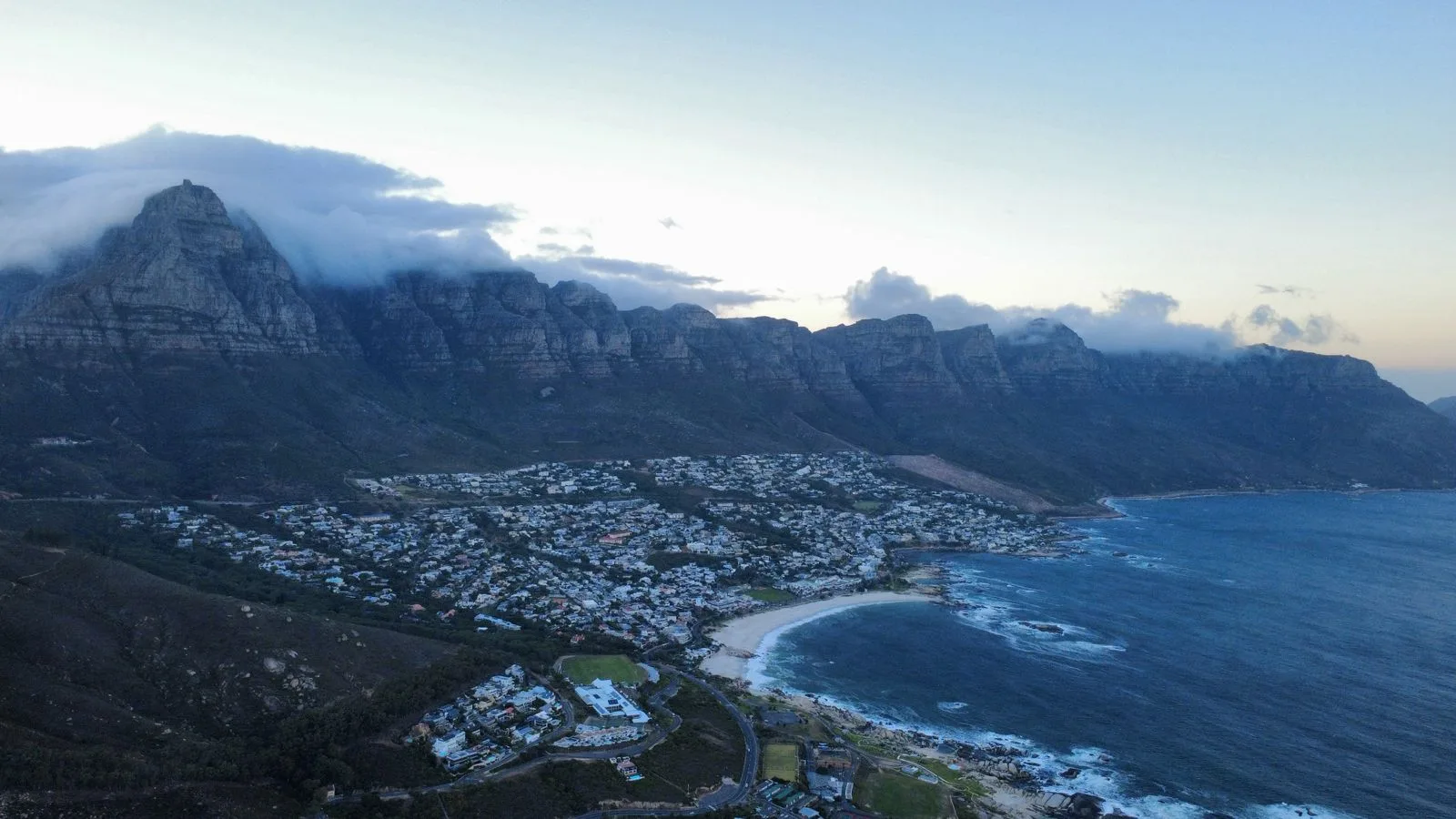
This is the postcard coast: white sand, granite boulders, and the Twelve Apostles rising behind. The water sits around 12–16°C, so it's more for lounging and sunsets than swimming.
- Camps Bay — the buzzy main beach with the sunset strip behind it.
- Clifton — four sheltered coves tucked between the rocks; the most protected from the wind.
- Llandudno — a stunning, upscale cove with no shops or development; sunset heaven.
- Sandy Bay — secluded and clothing-optional, reached only on foot.
The False Bay side — warmer water
Around the peninsula, the Indian Ocean influence makes the water noticeably warmer and calmer — the swimmer's and family's choice.
- Muizenberg — colourful beach huts and Cape Town's best beginner surf.
- Boulders — sheltered, warm and shared with penguins.
- St James — a photogenic tidal pool, great for kids.
A word on wind
Camps Bay and Clifton, close up
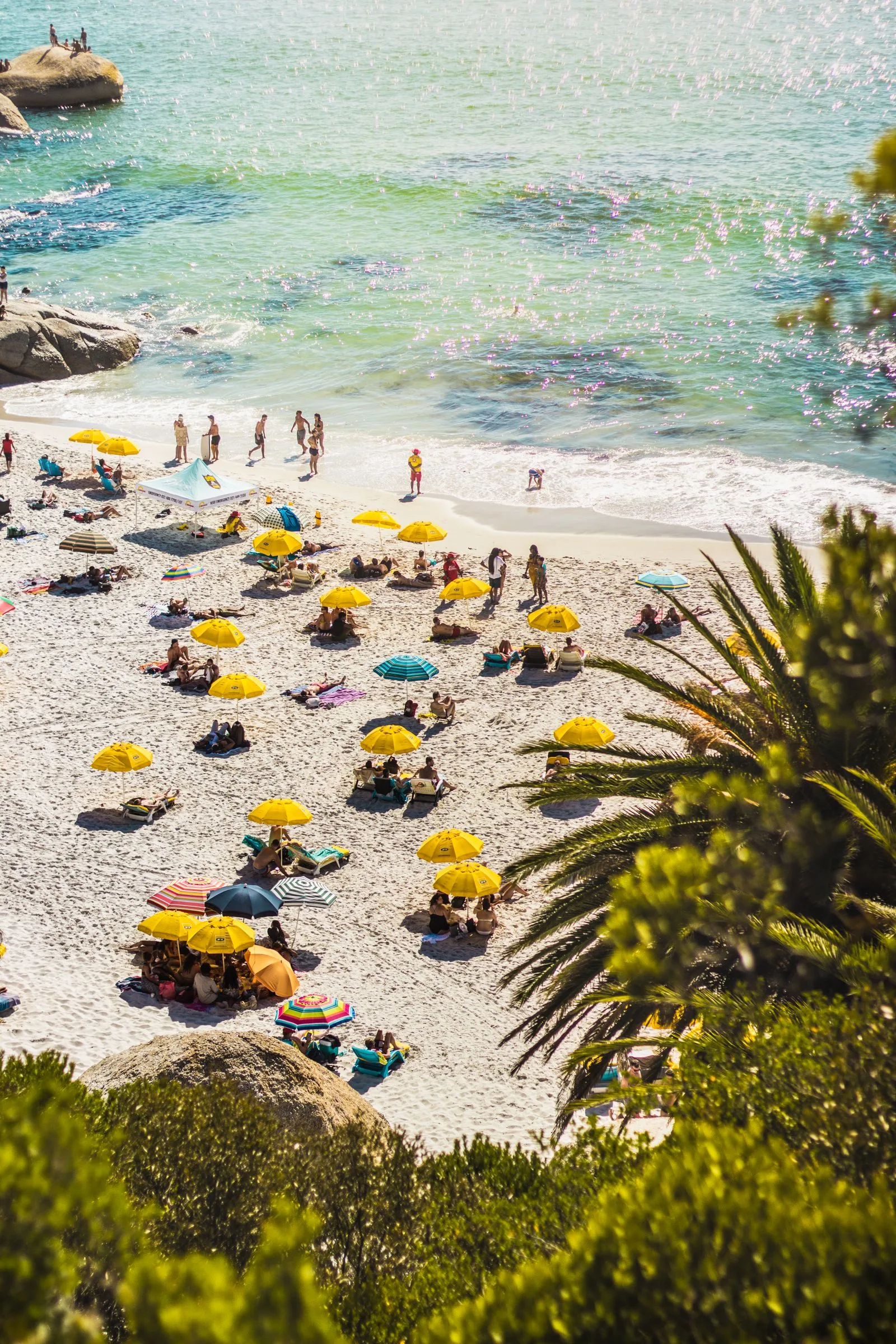
Camps Bay is the wide, buzzy showpiece — a Blue Flag beach with the restaurant strip and promenade right behind it, palm trees, sun loungers for hire and the tidal pools at the southern end. Clifton, just around the headland, is four separate coves (imaginatively named First to Fourth Beach) tucked between granite outcrops. Because the rocks block the wind, Clifton is the go-to when the south-easter is up, and each cove has its own character — Fourth is the biggest and most family-friendly, First the quietest. Both are gorgeous and both are cold; this is lounging-and-sunset water, not swimming water.
The wilder Atlantic beaches
Beyond the glamour beaches, the Atlantic coast turns dramatic and empty. Llandudno is a jaw-dropping cove with no shops or development — just white sand, boulders and a legendary sunset, so bring everything you need. Sandy Bay, reached only on foot over the rocks, is secluded and clothing-optional. Around the corner, Noordhoek's Long Beach is an eight-kilometre sweep of wild sand famous for horse rides along the surf and big-sky solitude. These are beaches for walking, photography and escape rather than swimming.
The False Bay beaches, close up
Cross to the peninsula's eastern side and the water warms by several degrees. Muizenberg has the rainbow beach huts, gentle rollers and a cluster of surf schools — the best place in the Cape to learn. St James has a much-photographed tidal pool and its own colourful huts, calm enough for small children. Fish Hoek is a broad, safe family beach with lifeguards, and Boulders, of course, comes with penguins (see our Boulders penguins guide). This is the coast to choose if you actually want to get in the sea.
Why one coast is warm and one is freezing
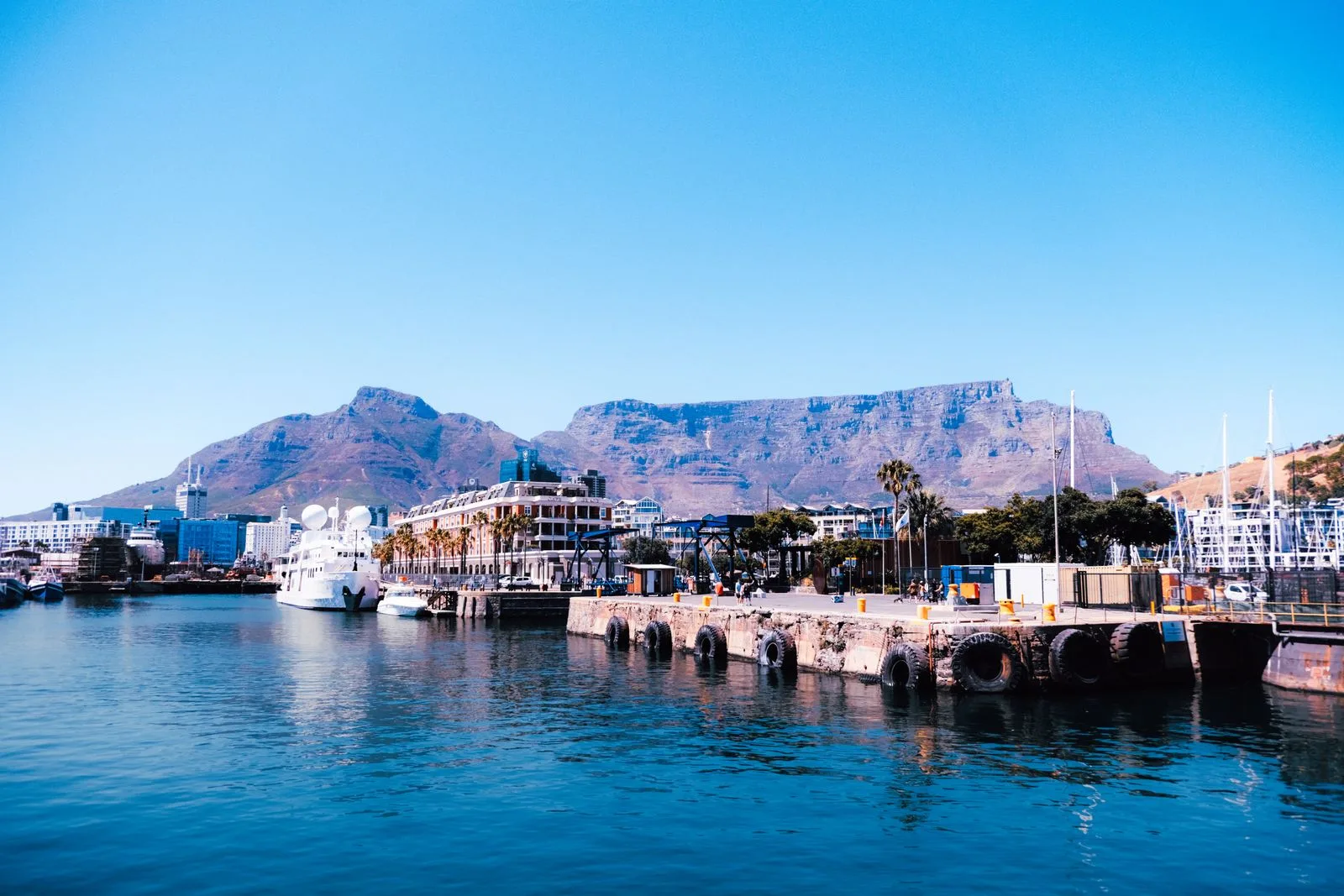
It comes down to two currents. The Atlantic Seaboard beaches — Camps Bay, Clifton, Llandudno — are washed by the cold, north-flowing Benguela current, which keeps the water around 12–16°C even at the height of summer. The False Bay side gets a warmer influence, so the sea there often sits several degrees higher and feels genuinely swimmable. It's the single most useful thing to know when planning a beach day: scenic and bracing on the Atlantic, warmer and calmer on False Bay.
The tidal pools
If the open sea is too cold, the Cape's tidal pools are the answer — sheltered, sun-warmed and safe. The best include the pools at the southern end of Camps Bay, the photogenic St James pool, Dalebrook and Wooley's near Kalk Bay, Maiden's Cove between Camps Bay and Clifton, and Soetwater out on the peninsula. They're free, calm and ideal for children, and many are refreshed by each high tide. Check a tide table — they're deepest and clearest around high water.
Safety, flags and shark spotters
Swim at beaches with lifeguards and between the flags where they're posted — the Atlantic in particular has cold-water rip currents. False Bay operates the pioneering Shark Spotters programme, with lookouts and a flag-and-siren system on beaches like Muizenberg and Fish Hoek; learn the flag colours and heed them. Don't leave valuables unattended on the sand, keep phones out of sight, and be sun-smart — the UV here is fierce, and the cool water masks how much you're burning.
Parking, facilities and the wind factor
Best beach for each type of day
- Sunset and glamour — Camps Bay or Llandudno on the Atlantic side.
- Actually swimming — the warmer False Bay beaches: Muizenberg, Fish Hoek, St James.
- Learning to surf — Muizenberg, home of the Cape's surf schools.
- Families with small kids — the tidal pools at Camps Bay, St James or Boulders cove.
- Windy days — Clifton's sheltered coves or the False Bay side.
- Solitude and long walks — Noordhoek's Long Beach or Sandy Bay.
Surfing and watersports
The Cape is a serious watersports playground. Muizenberg's gentle, forgiving beach break is the best place in the region to learn to surf, with several schools renting boards and wetsuits and running lessons daily. More experienced surfers head to spots around Kommetjie and the peninsula. The wind that plagues beach loungers is a gift to kitesurfers, who flock to Bloubergstrand across the bay (with its famous Table Mountain backdrop). Whatever you try, a wetsuit is essential on the cold Atlantic side year-round.
The Bloubergstrand view
One beach earns a mention for its view rather than its swimming: Bloubergstrand, on the northern shore of Table Bay, offers the postcard vista of Table Mountain rising across the water — the shot on a thousand posters. It's a 20-minute drive from the city, breezy and popular with kitesurfers, and unbeatable at sunset with the mountain silhouetted. Come for the panorama and the long flat sands rather than a warm swim.
Facilities, blue flags and practicalities
Several Cape beaches — including Camps Bay, Clifton's Fourth Beach and Muizenberg — hold Blue Flag status, meaning good water quality, safety and facilities. Camps Bay, Clifton, Muizenberg and Fish Hoek have parking, toilets, showers and food nearby; the wilder beaches like Llandudno and Sandy Bay have little or nothing, so come self-sufficient with water, snacks and sun cover. Above all, plan around the south-easter: in peak summer it can flatten an exposed beach day by early afternoon. When it's blowing, Clifton's coves and the sheltered False Bay beaches are your friends. For which months are calmest, see the best time to visit Cape Town.