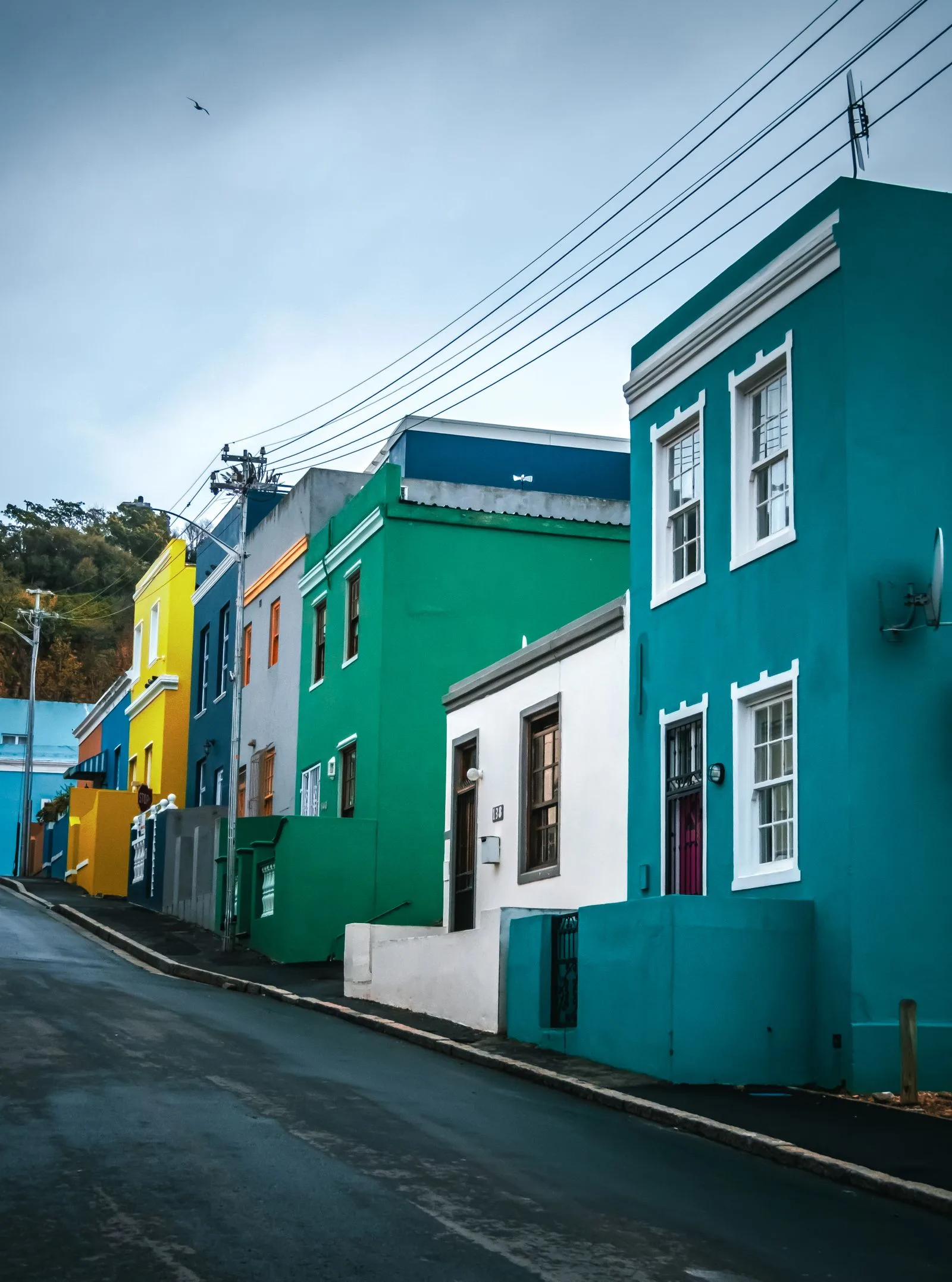
The Best Time to Visit Cape Town

Summer (Dec–Feb) is beach season: hot, dry, busy and windy. Shoulder months (Mar–Apr, Oct–Nov) are the sweet spot — warm, calmer and quieter. Winter (Jun–Aug) is wet but green, cheap and whale season.
Cape Town has a Mediterranean climate flipped for the southern hemisphere: hot dry summers and cool wet winters. The 'best' time really depends on what you're here for — beaches and buzz, or value and whales — but for most visitors the shoulder seasons quietly outperform peak summer on almost every measure.
For most visitors, the shoulder seasons quietly outperform peak summer on almost every measure.
Season by season
- Summer (Dec–Feb) — peak season: hot, dry, long beach days, but crowded, expensive and often very windy (the south-easter).
- Autumn (Mar–Apr) — arguably the best: still warm, calmer winds, fewer people, lower prices.
- Winter (Jun–Aug) — cool and rainy, but green, cheap, uncrowded, and prime whale season.
- Spring (Sep–Nov) — warming up, wildflowers, whales still around, great value before the summer rush.
The wind factor
Peak summer brings the 'Cape Doctor', a strong south-easterly wind that can flatten a beach day. The shoulder months tend to be calmer, which is a big reason autumn and spring are so pleasant on the coast — see our best beaches guide for the most sheltered spots.
The dates to book around
Two windows tighten up fast and deserve early planning. The festive peak, from about 15 December to 5 January, is when locals holiday too: villas and beach stays book out months ahead, prices spike and the beaches are at their busiest — wonderful energy, but reserve early or sidestep it. South African school holidays (roughly a fortnight each in late March/April, June/July and late September/October, plus the long December break) also lift domestic demand at the beaches and attractions. If you want the city calmer and cheaper, aim for the gaps between these — mid-January to mid-March, May, or the first half of November are all sweet spots with good weather and thinner crowds.
The climate in brief
Cape Town has a Mediterranean climate, flipped for the southern hemisphere: warm, dry summers from December to February and cool, wet winters from June to August. Summer daytime highs sit around 26–30°C with almost no rain; winter days hover around 16–18°C with the season's rainfall and the odd cold, wet spell. The sea stays cold on the Atlantic side all year thanks to the Benguela current. The two things that shape a trip most are the summer wind and the winter rain, so it pays to know how each season really feels.
Summer (December–February)
Peak season, and for good reason — long hot beach days, buzzing restaurants, late sunsets and every attraction open. It's also the busiest and most expensive stretch, especially over the festive weeks from mid-December to early January, when locals holiday too and villas book out months ahead. The catch is the south-easter, the strong summer wind that can sandblast an exposed beach; plan mornings and sheltered spots around it. Come in summer for beaches and nightlife, but book early and brace for the crowds.

Autumn (March–April)
Many locals will quietly tell you this is the best time of all. The heat softens to warm, the wind drops, the summer crowds thin and prices ease — but the sea is still swimmable-ish and the days are long and clear. It coincides with the Winelands harvest, so the estates are at their most atmospheric. If you want Cape Town near its summer best without the peak-season price tag or the howling south-easter, target March into April.
Winter (June–August)
Cool, green and wet — but far from a write-off. Winter brings the rains that turn the mountains lush, the lowest accommodation prices of the year, empty attractions, and, crucially, whale season along the coast. Between fronts there are plenty of crisp, clear, beautiful days, and it's a wonderful time for wine cellars, long lunches, galleries and cosy fireplaces. Pack for rain and don't expect many beach days, and you'll have a green, cheap, uncrowded city largely to yourself.
Spring (September–November)
The shoulder season on the way up, and a lovely time to visit. The weather warms, the wind is still moderate, the whales linger into early spring, and the West Coast and Cape wildflowers erupt for a few weeks in August and September. Prices and crowds are still below the summer peak, making October and November another sweet spot — warm enough for the coast, quiet enough to enjoy it, and green from the winter rains.
Month-by-month, at a glance
- Dec–Jan — hottest, busiest, priciest; festive-season peak, book far ahead.
- Feb — hot and dry, slightly calmer than mid-summer once schools go back.
- Mar–Apr — warm, calm, uncrowded; arguably the best all-rounder, plus harvest.
- May — cooling, quiet, good value before the rains set in.
- Jun–Aug — cool and wet but green, cheap and prime whale season.
- Sep–Nov — warming up, wildflowers, whales, great value before summer.
What to pack for the season
In summer, pack for heat and sun but always bring a windbreaker for the south-easter and a warm layer for the top of Table Mountain, which is far cooler than the beach. In winter, bring a proper waterproof, a warm jacket and an umbrella, plus something smart for long indoor lunches. Year-round, comfortable walking shoes and strong sunscreen are non-negotiable — the UV is intense even on cool or cloudy days.
If whales are the priority, come June–November and pair it with Hermanus. For beaches and nightlife, come in summer but book early — compare Cape Town stays by season, as summer prices climb steeply. Budget travellers should look hard at winter; see Cape Town on a budget.