Is Cape Town Safe? An Honest Guide

Cape Town is safe for tourists who use city sense: stick to the well-visited areas, don't flash valuables, use rideshares at night, and don't walk isolated streets or the mountain alone after dark. The tourist areas are well-policed and welcoming.
Let's be straight: South Africa has real crime, and Cape Town is no exception. But the vast majority of visitors have a completely trouble-free trip, because the risks are concentrated in areas tourists don't go and are easily managed with ordinary big-city sense. The point isn't to be fearful — it's to be sensible.
The point isn't to be fearful — it's to be sensible. Most visitors have a completely trouble-free trip.

Where you'll actually be
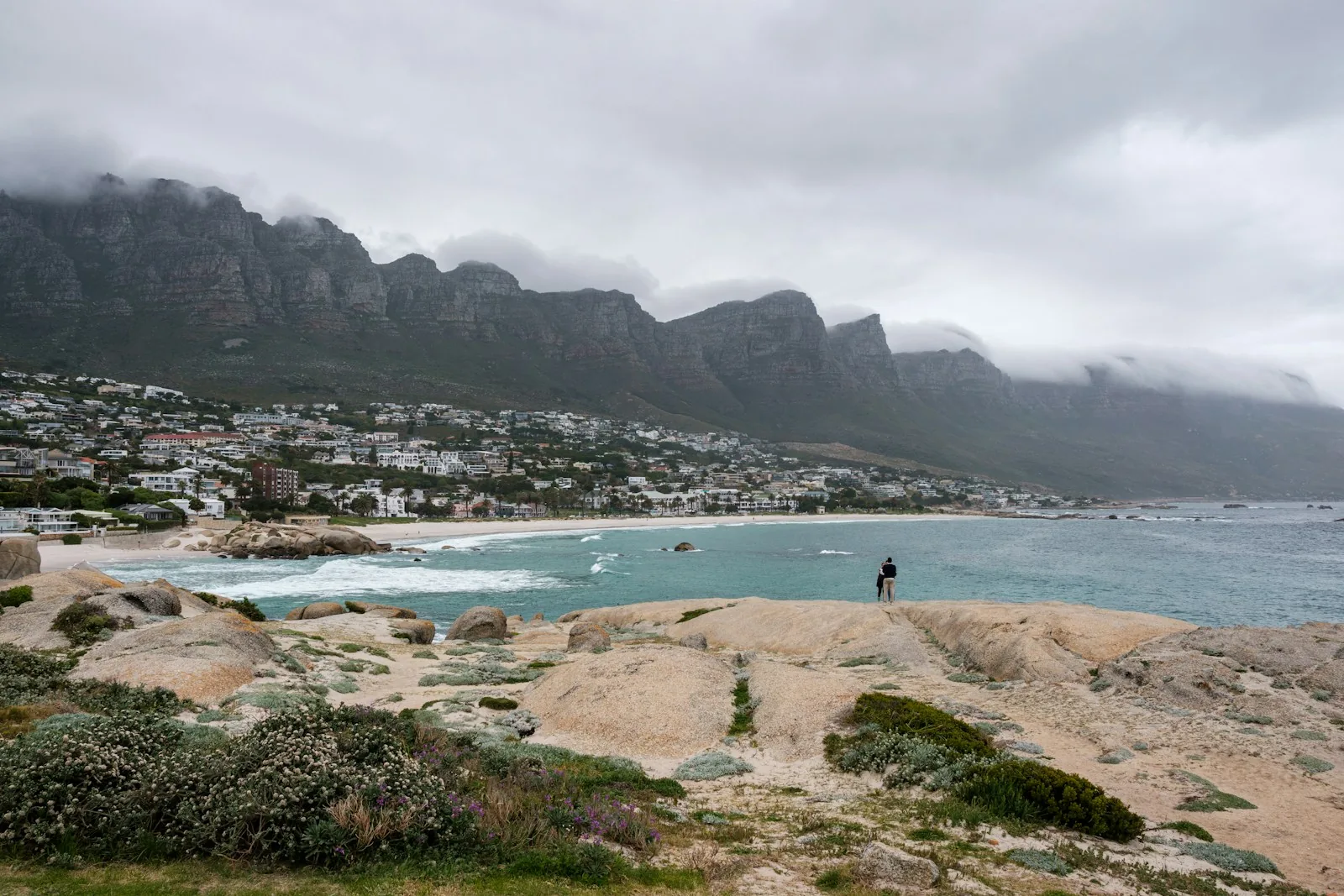
The main tourist zones — the V&A Waterfront, Camps Bay, Clifton, the Winelands, the peninsula — are well-visited, patrolled and low-risk in daylight. Most incidents involving visitors are opportunistic theft, not violent crime.
- Don't flash phones, cameras or jewellery in crowded or quiet spots.
- Use a rideshare app (Uber/Bolt) at night rather than walking or hailing cabs.
- Keep car doors locked and valuables out of sight while driving.
- Withdraw cash inside malls or banks, never at isolated ATMs.
On the mountain and trails
Table Mountain is safe on the popular, busy routes in good weather, but muggings do happen on quiet trails. Hike in a group, stick to popular paths, and don't hike alone or at dusk. The weather is honestly a bigger risk than crime up there.
Practical peace of mind
Putting the risk in perspective
South Africa's crime statistics look alarming on paper, but they're heavily concentrated in specific under-resourced areas — not the beaches, mountains, wine routes and seaboard suburbs where tourists spend their time. The overwhelming majority of visitors leave having experienced nothing worse than a pushy car guard. The realistic risk for a tourist is opportunistic theft — a snatched phone, a smash-and-grab at a traffic light, a bag lifted from a café chair — rather than violent crime. Treat Cape Town like any big city you don't know well, and you'll be fine.
Where you'll be, and what to skip
The core tourist zones — the V&A Waterfront, Camps Bay, Clifton, Sea Point, the City Bowl, the Winelands and the peninsula — are well-visited and comparatively low-risk by day. The townships on the Cape Flats have real safety issues and should only be visited on a reputable guided tour, never explored independently. Quiet, empty streets and deserted spots after dark are the main things to avoid anywhere in the city. If in doubt, ask your host or hotel which specific streets and areas to steer clear of — locals will tell you straight.
Common petty-crime traps

- Withdraw cash inside malls, banks or busy shops — never at isolated ATMs, and decline 'help' from strangers at the machine.
- Don't leave phones, bags or wallets on café tables or beach towels unattended.
- Keep valuables out of sight while walking; don't flash expensive cameras or jewellery.
- Beware distraction tactics — someone pointing out a 'spill' on your clothes while an accomplice moves in.
Driving safely
On the road, keep doors locked and windows up in traffic and stow bags in the boot or footwell out of sight — smash-and-grabs at quiet intersections are the classic risk. Don't leave anything visible in a parked car, and use the car guards. If your GPS tries to route you through an unfamiliar township or informal area, especially at night, trust a main-road detour instead. Treat any staged 'breakdown' or minor bump on a lonely road with caution and drive on to a busy, lit place before stopping. See getting around Cape Town for more.
Beaches, trails and after dark
On Table Mountain and the trails, muggings do occasionally happen on quiet routes — so hike the popular paths in a group and never alone or at dusk (and remember the weather is the bigger danger up there). On the beaches, don't leave belongings unattended while you swim. At night, use Uber or Bolt rather than walking or hailing street taxis, and stick to busy, well-lit areas like the Waterfront. None of this is dramatic — it's the same city-sense you'd use in any large city worldwide.
Money, phones and valuables
Carry only what you need for the day, split cash and cards between pockets and a bag, and leave passports and spare cash in your accommodation safe. A cheap crossbody bag worn in front beats a backpack or an open tote. Consider a low-value 'walking-around' phone if you're nervous, though most visitors simply keep their phone pocketed and out of sight in crowds. Card fraud is the same risk as anywhere — use tap-to-pay and keep an eye on your card at tills.
Emergency numbers and insurance
Save the key numbers before you go: 10111 for police, 112 from any mobile (which routes to emergency services), and 10177 for an ambulance. Private hospitals in Cape Town are excellent but expensive, so comprehensive travel insurance that covers medical care and theft is essential. Keep a copy of your policy and passport on your phone, and note your accommodation's emergency and security contacts on arrival.
Solo and female travellers
Plenty of solo travellers, including women, visit Cape Town without incident by applying the same sensible habits: rideshares after dark, popular trails in company, valuables out of sight, and trusting instincts about places that feel off. Staying somewhere central and well-located makes a real difference — see Cape Town neighbourhoods and where to stay in Camps Bay. Guided tours take the guesswork out entirely; many day trips can be booked with a driver.