Cape Town Neighbourhoods: Where to Base Yourself
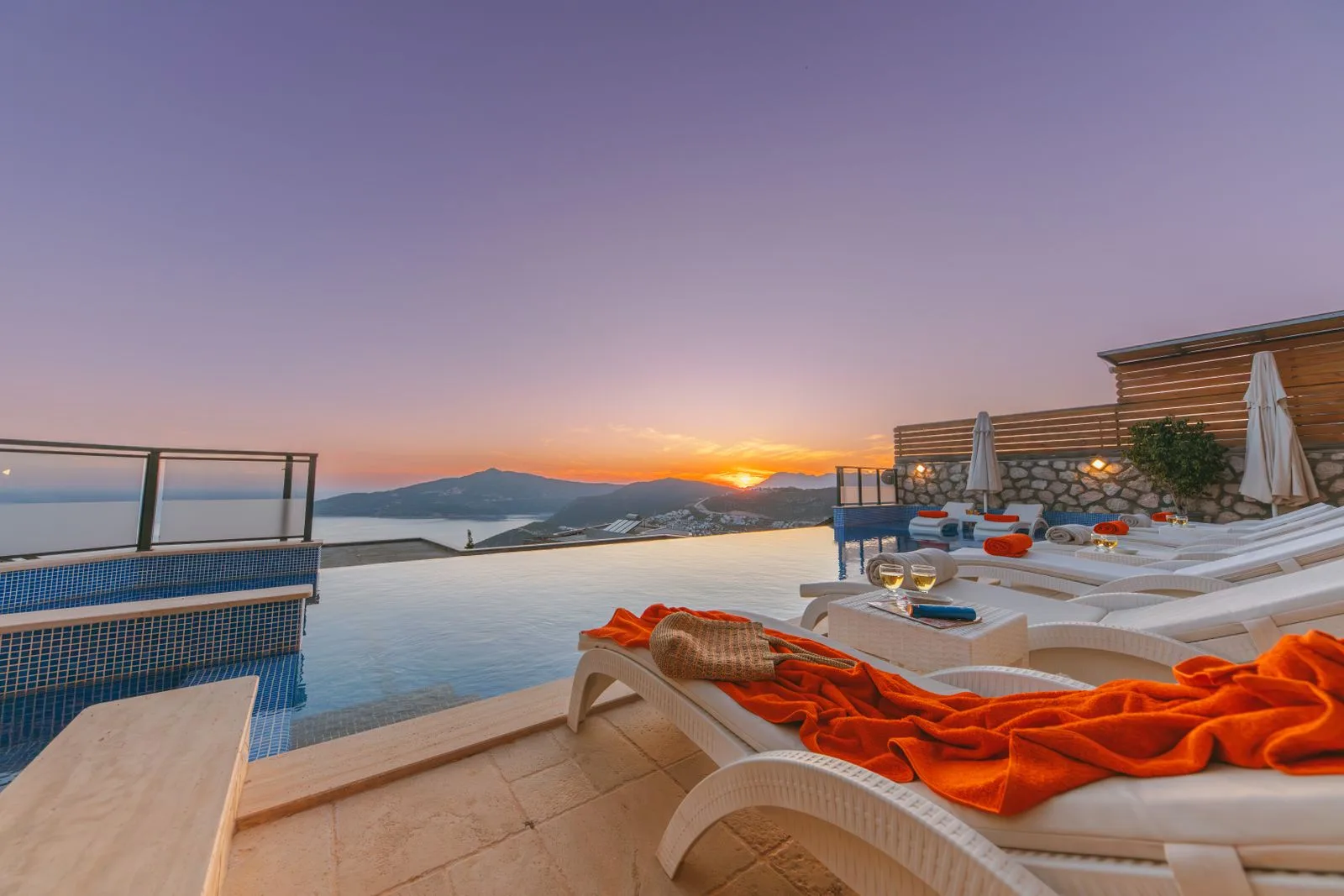
For beaches and sunsets, Camps Bay; for restaurants and nightlife, the City Bowl; for polish and convenience, the V&A Waterfront; for value and a promenade, Sea Point. Pick by the trip you want.
Where you base yourself in Cape Town changes the feel of the whole trip, because the city's areas are so distinct. A beach holiday, a foodie city break and a family self-catering week each point to a different neighbourhood. Here's how the main ones compare, so you can match your base to the trip you actually want.
The main bases
- Camps Bay — beach, glamour and sunsets, 15 minutes from the centre. See where to stay in Camps Bay.
- City Bowl (incl. Gardens & Kloof Street) — the best restaurants, bars and walkability; central for the mountain and museums.
- V&A Waterfront — polished, secure and convenient, with shops and the harbour on your doorstep; pricier and touristy.
- Sea Point — great value, a lovely seaside promenade, and a short hop to both the city and the Atlantic beaches.
- Constantia & southern suburbs — leafy, quiet, wine estates nearby; better with a car.
The colour and character
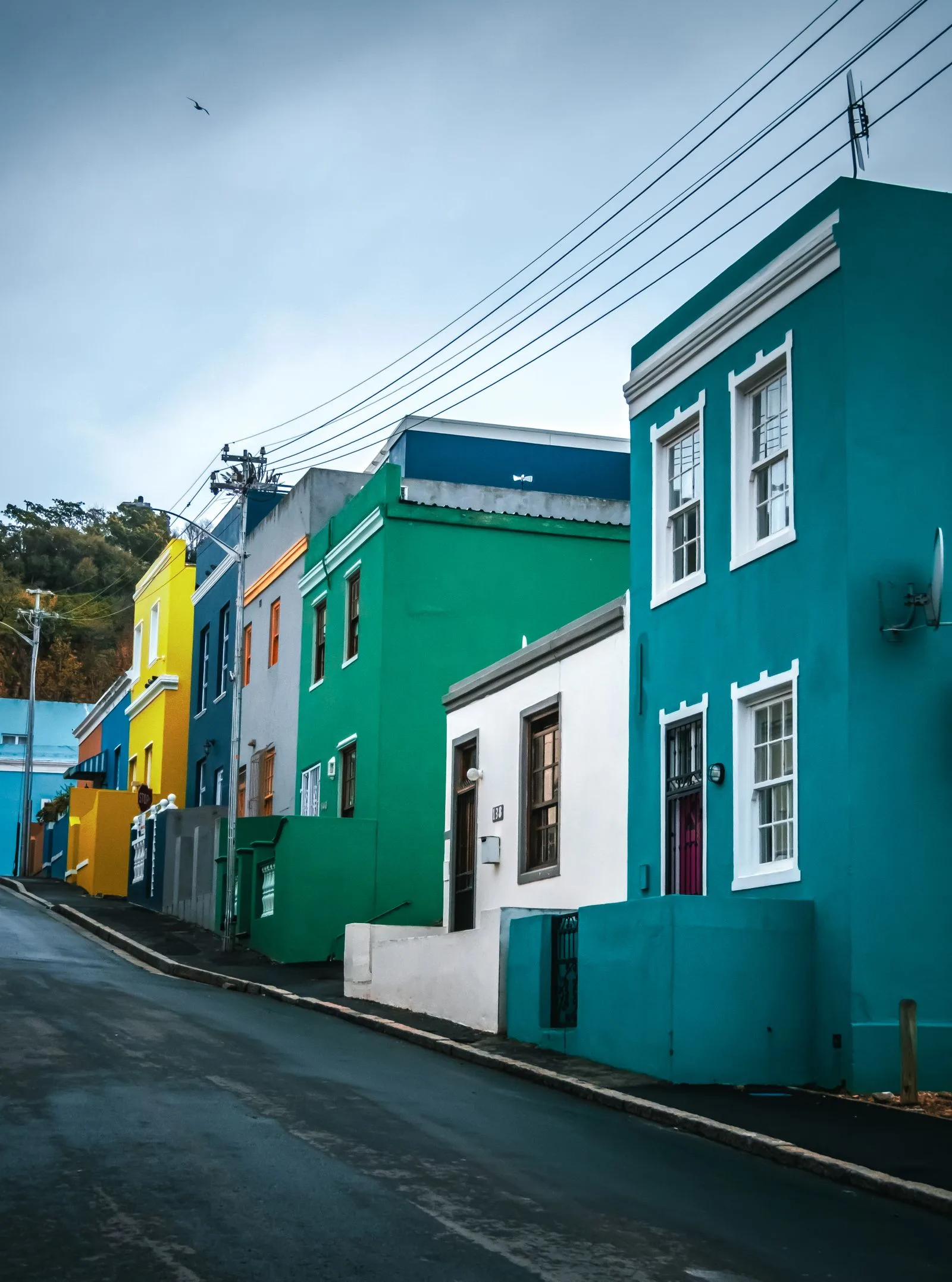
Don't miss the Bo-Kaap on the edge of the City Bowl — the famously colourful, historic Cape Malay quarter with its cobbled streets and painted houses. It's a place to visit whatever neighbourhood you sleep in.
How the areas connect and how far apart they are
Cape Town's saving grace is that it's compact: the neighbourhoods that matter to visitors sit within about 20 minutes of each other by car. From the City Bowl, the V&A Waterfront is 5–10 minutes, Sea Point and Green Point 10 minutes, and Camps Bay 12–15 minutes over Kloof Nek. The leafy southern suburbs (Constantia, Newlands) are 20–30 minutes on the far side of the mountain. That closeness means you can base yourself in one area and dip into the others easily — sleep in the City Bowl and still do a Camps Bay sunset, or stay in Camps Bay and drive in for dinner. Uber and Bolt are cheap and safe for hopping between them, and the MyCiTi bus links the Atlantic Seaboard, the City Bowl and the airport. See getting around Cape Town.
A note on safety by area
Cape Town rewards normal city common sense rather than nervousness. The visitor-facing areas — the V&A Waterfront, Camps Bay, the City Bowl around Kloof and Bree, Sea Point's promenade and Constantia — are well-used and fine to walk by day, and the Waterfront and Camps Bay strip are comfortable in the evening too. As anywhere, keep your wits after dark on quieter City Bowl side streets, don't flash phones or valuables, and use a rideshare at night rather than walking unfamiliar routes. Woodstock is best explored by day. For the fuller picture, see our is Cape Town safe? guide.
What you'll pay where
Prices track the postcode. Camps Bay, Clifton and the V&A Waterfront command the top rates, especially in the December–February peak when beachfront villas and harbour hotels book out months ahead. The City Bowl and Gardens sit in the middle and offer the best balance of quality, location and price. Sea Point, Green Point and Woodstock are the value picks, with good guesthouses and apartments a short hop from the action. The southern suburbs vary from country-house splurges to affordable self-catering. Whatever your budget, rates fall sharply outside high summer — see the best time to visit and Cape Town on a budget.
Camps Bay and the Atlantic Seaboard
The glamour coast. Camps Bay is the headline — a Blue Flag beach, a sunset dining strip and self-catering villas backed by the Twelve Apostles — with quieter Bakoven and exclusive Clifton alongside. It's beach-holiday Cape Town at its most postcard-perfect, about 15 minutes from the centre. Choose it for beaches, sunsets and villa stays; skip it if you want restaurants and museums on your doorstep. See our full where to stay in Camps Bay guide.
The City Bowl, Gardens and Kloof Street
The beating heart of the city, cradled between Table Mountain, Signal Hill and Devil's Peak. This is where locals actually eat and drink — Bree Street, Kloof Street and Loop Street are thick with bistros, wine bars, coffee shops and nightlife, all walkable. You're central for the cableway, the museums, the Company's Garden and the Bo-Kaap. It's the natural base for foodies, couples and night owls, and often better value than the beach suburbs; the trade-off is that you're a drive from the sand.

The V&A Waterfront and De Waterkant
The V&A Waterfront is the polished, secure, tourist-friendly harbour precinct — hotels, shops, restaurants, the aquarium and the Robben Island ferry all on site, with Table Mountain as a backdrop. It's convenient and completely safe to wander at night, but pricier and less local-feeling than the City Bowl. Neighbouring De Waterkant is a pretty cobbled quarter of colourful Cape Dutch houses, cafés and boutiques, bridging the Waterfront and the city.
Sea Point, Green Point and Mouille Point
One bay over from the Waterfront, this densely built seaside strip is the value champion. Sea Point has a superb three-kilometre promenade, a lively restaurant scene along Main Road and quick access to both the city and the Atlantic beaches, all at gentler prices than Camps Bay. Green Point and Mouille Point add the urban park, the stadium and lighthouse-lined seafront. It's a smart, walkable, well-located base for travellers who want the coast without the beach-suburb premium.
Constantia and the southern suburbs
Leafy, quiet and green, the southern suburbs — Constantia, Newlands, Wynberg — sit on the mountain's wetter eastern side, close to Kirstenbosch and South Africa's oldest wine estates. Constantia in particular suits families and anyone wanting space, gardens and vineyards over beach buzz; think self-catering homes and country hotels. You'll want a car here, as it's further from the beaches and nightlife, but it's peaceful, safe-feeling and beautiful.
Woodstock and the creative east
Just east of the City Bowl, Woodstock is the city's grittier creative quarter — street art, design studios, the Saturday Neighbourgoods Market at the Old Biscuit Mill, and some of Cape Town's most interesting food. It's up-and-coming rather than polished, better for a curious, independent traveller than a first-timer wanting reassurance, and worth a visit even if you sleep elsewhere.
A first-timer's shortcut
If you're visiting for the first time and can't decide, the safe default is the City Bowl for a shorter trip — it's central, walkable, packed with restaurants and close to the mountain and museums — or Camps Bay if beaches and sunsets are the priority and you don't mind a short drive into town. Both put you within easy reach of everything else. Only venture to a more specialist base (Constantia for gardens and wine, Woodstock for the creative scene) once you know the city or have a specific reason. When in doubt, split a longer stay: a few nights in the City Bowl, then a few on the beach.
Matching the area to your trip
- Beaches and sunsets — Camps Bay or Clifton.
- Restaurants and nightlife — the City Bowl, Gardens and Kloof Street.
- Convenience and security — the V&A Waterfront.
- Value with a sea view — Sea Point.
- Space, gardens and wine — Constantia and the southern suburbs.
- Families and groups — self-catering in Camps Bay or Constantia.
First-timers who want beaches lean Camps Bay; foodies and night owls lean City Bowl; families and groups often prefer self-catering in Camps Bay or Constantia. Compare stays across Cape Town neighbourhoods to see what your budget buys where, and remember distances are short — see getting around Cape Town. Budget-focused? See Cape Town on a budget.