Whale Watching in Hermanus: When & How
Hermanus, about 90 minutes from Cape Town, is one of the best places on earth to watch whales from land. Southern right whales visit roughly June to November, peaking September–October. Walk the clifftop path or take a boat trip.
Every winter and spring, southern right whales migrate up from Antarctic waters to calve in the sheltered bays of the Western Cape — and nowhere shows them off better than Hermanus. The town's clifftop path runs right along the edge of Walker Bay, and in season you can watch whales breaching and lob-tailing just metres offshore, no boat required.
When to go
The season runs roughly June to November, with the best sightings from September to October, when mothers and calves are close to shore. Time your day trip for the tail end of the week to avoid weekend crowds, and go on a calm day for the clearest water.
- Aim for September–October for peak numbers and the closest inshore sightings.
- Walk the cliff path from the old harbour toward Grotto Beach — it hugs the whale-watching bay.
- Listen for the town's 'whale crier', who signals where whales have been spotted.
- Bring binoculars and a windproof layer; the coast is exposed.
Land or boat?
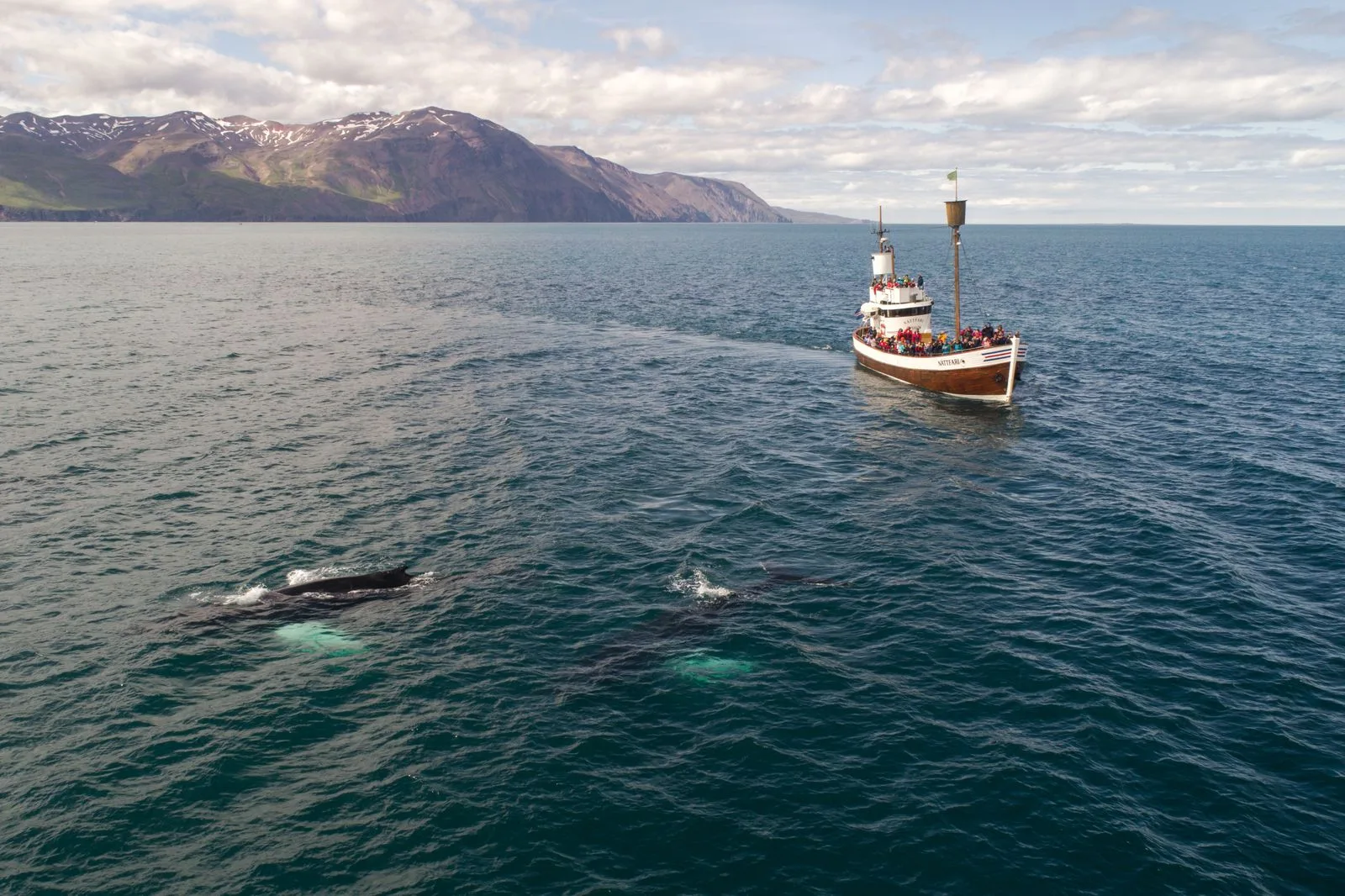
Hermanus is famous precisely because you don't need a boat — the land-based viewing is world-class. But licensed boat-based whale tours get you closer for photos. Either way, book in advance during peak season.
What it costs
Land-based whale watching in Hermanus is completely free — the clifftop path, the viewpoints and the whale crier cost nothing, which is a large part of the town's appeal. Your only real outlays are the drive (fuel for the 120km each way, or a seat on a guided day tour from Cape Town at roughly R900–1,500 / US$50–80) and, if you want a closer look, a licensed boat trip at around R900–1,300 (US$50–70) for about two hours. Add lunch and a Hemel-en-Aarde wine tasting and you've a full, varied day for a modest sum. Binoculars are the one bit of kit worth bringing to turn distant blows into a proper show.
Which whales you'll see
The stars are southern right whales, which migrate up from sub-Antarctic feeding grounds to mate and calve in the sheltered warmth of Walker Bay. They're huge (up to 15 metres and 40-plus tonnes), curious, and given to spectacular surface behaviour — breaching, tail-slapping and 'sailing' with their tails held up to the wind. You may also spot humpbacks passing through, resident Bryde's whales, dolphins and, if you're extraordinarily lucky, orcas. Mothers with calves come closest to shore in the peak weeks, which is exactly what makes Hermanus so special from dry land.
The clifftop path
Hermanus's secret weapon is its cliff path — a roughly 12-kilometre walkway that hugs the shoreline from the New Harbour, past the old harbour and the town centre, all the way to Grotto Beach. In season, whales lounge in the bays right below you, sometimes just metres out. You don't need to walk the whole thing: the stretch between the old harbour and Gearing's Point is the classic whale-watching section, with benches, viewpoints and cafés close by. It's free, flat in parts and one of the best coastal walks in the country whether the whales show or not.
The whale crier and the festival
Hermanus is the only town with an official whale crier, who walks the front blowing a kelp horn in a code that tells listeners where whales have been spotted along the bay. If your visit lands in late September or early October, the annual Hermanus Whale Festival takes over the town with markets, music and stalls, timed for peak whale numbers — brilliant fun, but book accommodation and expect crowds if you're staying over.
Land, boat or air?

The land-based viewing is genuinely world-class, so you don't need a boat. But licensed boat-based whale-watching trips (roughly R900–1,300, about US$50–70, for around two hours) get you close for photographs and a sense of scale, and nearby Gansbaai adds shark-cage diving to the mix. Only licensed operators are allowed to approach the whales, so book a permitted trip rather than an informal one. Whichever you choose, reserve ahead in the September–October peak.
Make a day of the whole Overberg
Hermanus is more than its whales. The Hemel-en-Aarde valley just inland is one of South Africa's finest cool-climate wine regions, celebrated for pinot noir and chardonnay — a perfect tasting stop on the way in or out. In town, Grotto Beach is a long Blue Flag stretch of sand, and the market square and old harbour museum are worth an hour. It rounds out easily into a full, varied day away from the city.
Getting there, timing and what to bring
Hermanus is about 120km and a 90-minute drive from Cape Town, mostly along the scenic coastal R43 (or the faster N2). Leave by mid-morning and you'll have the whole day. Go on a calm, clear day for the flattest water and best visibility, and aim for a weekday to dodge weekend crowds. Pack binoculars, a windproof layer (the clifftop is exposed), sun protection and comfortable shoes for the path — and a bit of patience, because the best sightings reward those who linger.
What the whales actually do
Part of the magic of southern rights is how much they do at the surface, close in. Look out for breaching (launching much of that huge body clear of the water and crashing back), lobtailing (slapping the tail on the surface), spyhopping (rising vertically to take a look around), and 'sailing', where a whale holds its tail up to the wind. Mothers nurse and shepherd their calves in the shallow bays, which is why the inshore sightings from the cliff path are so intimate. Give it time and patience — sit with a spot for twenty minutes and the bay usually rewards you.
Best viewpoints along the coast
In Hermanus itself, Gearing's Point, the old harbour and the stretch of cliff path toward Grotto Beach are the reliable whale-watching spots, all free and walkable. Beyond town, the coastal road toward De Kelders and Gansbaai offers more clifftop vantage points, often with fewer people. If you're driving in, the viewpoints over Walker Bay on the way down are worth a stop too. A good pair of binoculars turns distant blows into a proper show.
Where else to see them
Hermanus is the headline act, but the Western Cape has other whale-watching spots if your route differs. False Bay — much closer to Cape Town, around Simon's Town and the peninsula — gets southern rights in season too. Betty's Bay and Kleinmond, on the way to Hermanus, have quieter clifftop viewing (and Betty's Bay has its own penguin colony at Stony Point). And out at De Hoop Nature Reserve, further east, the calving numbers can be extraordinary for those willing to make the longer trip.
Making a weekend of it
Hermanus works beautifully as an overnight or weekend escape rather than a rushed day trip, especially during the September–October peak or the whale festival. Staying over lets you catch the whales in the soft early-morning light before the day-trippers arrive, enjoy a leisurely Hemel-en-Aarde wine lunch, and walk the full cliff path without watching the clock. Book accommodation well ahead for festival dates and peak weekends, when the town fills up fast.
It's about 90 minutes each way, so it's a comfortable day trip. See our wider day trips from Cape Town guide for how it fits your plans, and if whales are your priority, factor the season into when to visit Cape Town.