Cape Town on a Budget

Cape Town is a bargain by global city standards. Travel in winter or shoulder season for cheap stays, lean on free nature (beaches, hikes, the promenade), use rideshares, and eat where the locals do rather than on the tourist strips.
Cape Town can be as expensive or as cheap as you make it, and the good news is that its best assets — the mountains, the beaches, the coastal walks — are free or nearly so. With a favourable exchange rate for many visitors and a bit of timing, you can have a spectacular trip here without spending much at all.
Free and cheap things to do

- Walk the Camps Bay and Sea Point promenades, and swim at the beaches — all free.
- Hike Lion's Head, Signal Hill or the Pipe Track for the views without the cableway fee.
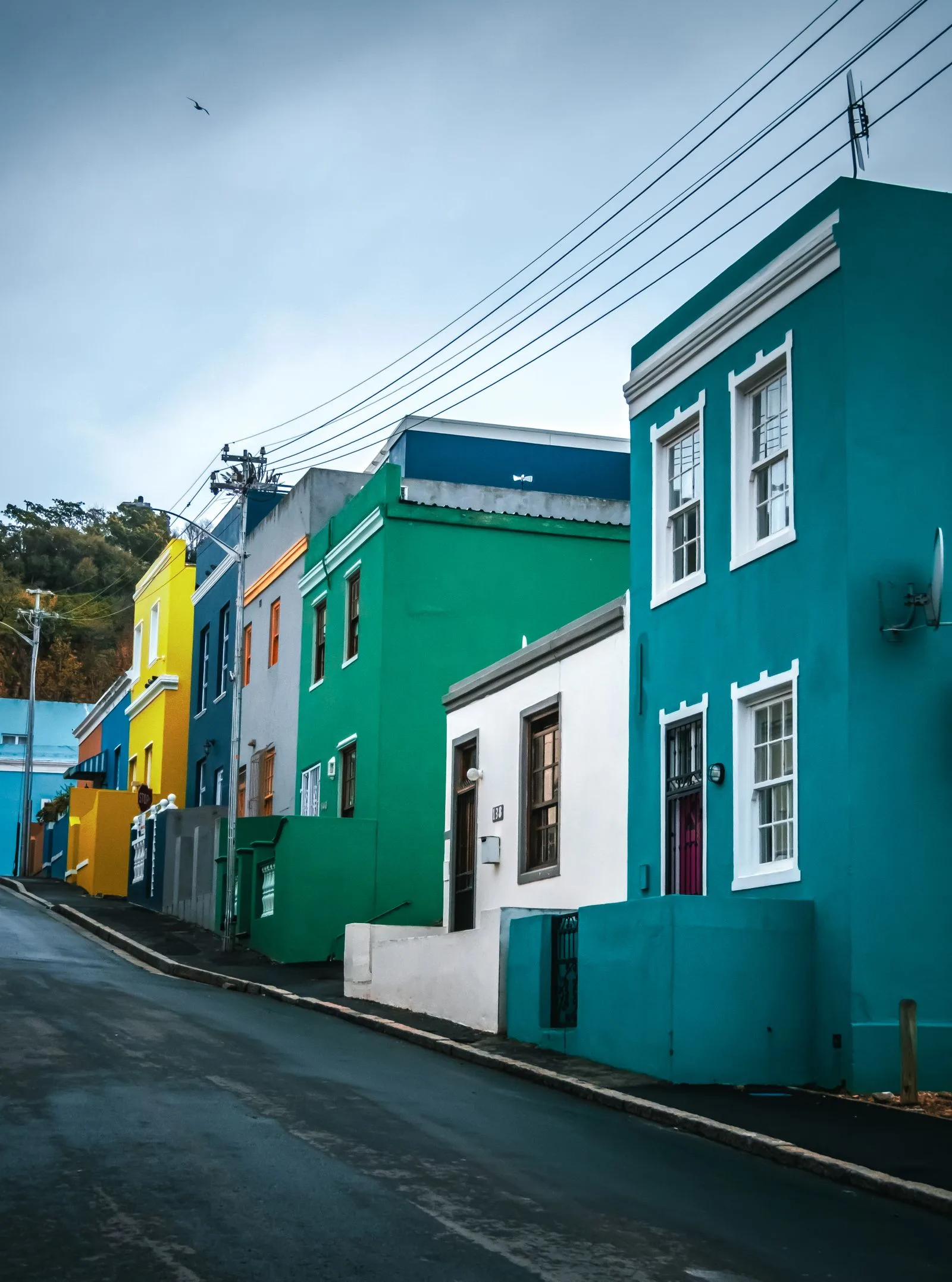
- Visit the Company's Garden and the Bo-Kaap in the city bowl for free.
- Watch the sunset from Signal Hill with a picnic instead of a restaurant bill.
Saving on the essentials
Travel outside the December–February peak and prices for stays drop sharply — see the best time to visit. Winter is cheapest of all. Self-catering and guesthouses beat hotels for value, and eating at local spots away from the tourist strips is both cheaper and often better.
- Book stays in winter or shoulder season for the lowest rates.
- Choose self-catering so you can cook some meals.
- Use Uber/Bolt and skip car hire on city days; see getting around.
Where to sleep for less
The cheapest beds cluster in a few areas. Sea Point and Green Point are the value champions — walkable, seafront and packed with guesthouses and self-catering apartments a short hop from the city and the Atlantic beaches. The City Bowl and buzzy Long Street have the backpacker hostels and budget guesthouses, handy for nightlife and the mountain. Woodstock and Observatory are cheaper still and full of character if you don't mind being a little further out. Skip the beachfront villas of Camps Bay and Clifton unless you're splitting one across a group, in which case the per-head cost can actually undercut a mid-range hotel. Choose self-catering wherever you can — a kitchen is the single biggest money-saver on any trip here.
Why Cape Town is a bargain
For visitors from Europe, North America, the UK or Australia, the exchange rate does a lot of the heavy lifting — the rand is weak against most major currencies, so meals, drinks, transport and tours all feel inexpensive by home standards. Just as importantly, the city's greatest assets are natural and therefore free: the mountains, the beaches and the coastal walks cost nothing. Get the timing right and lean on the free stuff, and Cape Town delivers a world-class trip for a fraction of what a comparable European city break would cost.
The best free things to do
- Swim, sunbathe and watch the sunset on any of the beaches — all free.
- Walk the Sea Point and Camps Bay promenades end to end.
- Hike Lion's Head, Signal Hill or the Pipe Track for mountain-top views without the cableway fee.
- Wander the Bo-Kaap's painted streets and the free Company's Garden.
- Take a picnic up Signal Hill for the sunset instead of paying for a rooftop bar.
- Browse the free-to-enter markets and the street art of Woodstock.

Eating and drinking for less
Self-catering is the single biggest saver — book a place with a kitchen and cook breakfasts and the odd dinner, ideally around a braai (barbecue), which is both cheap and a proper local experience. When you eat out, step away from the tourist strips: the City Bowl's side streets, township eateries, and weekend food markets (like the Neighbourgoods Market in Woodstock or Oranjezicht City Farm Market) deliver better food for less. Local supermarkets such as Woolworths and Pick n Pay do excellent, cheap ready meals and picnic supplies, and South African wine is astonishingly good value by the bottle.
Getting around for less
You don't need a hire car for the city. The MyCiTi bus is clean, cheap and useful along the Atlantic Seaboard and for the airport run, and Uber and Bolt are inexpensive and safe for everything else, especially at night. Walk the flat, central and seafront areas freely by day. If you want to do the peninsula or Winelands cheaply, split a hire car or a guided day tour across a group to bring the per-person cost right down — see getting around Cape Town.
Which paid attractions are worth it
Not everything free beats everything paid. The Table Mountain cableway, the Boulders penguins and a Robben Island tour are the paid experiences most worth their fee; book the cableway online for the lower price, and buy a SANParks Wild Card if you'll visit several national-park sites (Boulders, Cape Point, Kirstenbosch). Beyond those, you can fill days almost entirely with free hikes, beaches and walks — see our day trips guide for the cheap-to-free options like Kalk Bay and Muizenberg.
Travel in the cheap seasons
Timing is the other big lever. Accommodation prices drop sharply outside the December–February peak, and winter (June–August) is cheapest of all — you trade some beach days for green landscapes, whales and empty attractions at a fraction of summer rates. The shoulder months of autumn and spring split the difference: lower prices, better weather. See the best time to visit Cape Town to plan around it.
A rough daily budget
As a guide, a backpacker leaning on dorms, self-catering, free hikes and public transport can get by on around R500–800 (US$28–44) a day. A comfortable mid-range traveller — a guesthouse or self-catering room, a mix of cooking and eating out, the odd paid attraction and rideshares — should budget roughly R1,500–2,500 (US$85–135) a day. Split across a group in a villa, the per-head cost of the mid-range trip falls further still.
Sea Point and the City Bowl offer the best value beds close to the action — compare budget stays in Cape Town. If you still want the beach, look at guesthouses a few streets up in Camps Bay via our where to stay guide.